CARES Act Sunset: 2026 Tax Implications for US Small Businesses
Advertisements
The CARES Act sunset in 2026 will significantly alter the tax landscape for small businesses in the US, necessitating proactive planning to mitigate potential financial impacts and ensure continued growth.
As 2026 approaches, many small business owners in the US are turning their attention to a significant financial event: the CARES Act Sunset 2026. This legislative shift promises to reshape the tax landscape, making it crucial for businesses to understand and prepare for the impending changes.
Understanding the CARES Act and Its Impending Sunset
The Coronavirus Aid, Relief, and Economic Security (CARES) Act, enacted in March 2020, was a monumental piece of legislation designed to provide economic relief during the COVID-19 pandemic. It introduced a range of provisions aimed at supporting individuals and businesses, including critical tax benefits for small enterprises. These benefits helped many businesses weather the unprecedented economic storm, offering lifelines through various deductions, credits, and deferrals.
However, many of these provisions were temporary, designed with specific expiration dates. As we look towards 2026, several key elements of the CARES Act are scheduled to sunset, meaning they will either expire or revert to their pre-CARES Act forms. This impending sunset poses a significant challenge and opportunity for small business owners, requiring a thorough understanding of what will change and how to adapt.
Key CARES Act Provisions Affecting Small Businesses
The CARES Act introduced several impactful measures for small businesses. Understanding these provisions is the first step in comprehending the implications of their expiration.
- Employee Retention Credit (ERC): A refundable tax credit designed to encourage businesses to keep employees on their payroll. While the ERC largely ended in 2021, its administrative complexities and retroactive claims continue to impact businesses.
- Net Operating Loss (NOL) Rules: The CARES Act temporarily allowed businesses to carry back NOLs arising in 2018, 2019, and 2020 for up to five years, providing crucial liquidity.
- Business Interest Expense Deduction (IRC Section 163(j)): The act temporarily increased the limitation on business interest expense deductions from 30% to 50% of adjusted taxable income for 2019 and 2020.
- Qualified Improvement Property (QIP) Depreciation: The CARES Act fixed a technical error in the Tax Cuts and Jobs Act (TCJA), making QIP eligible for 100% bonus depreciation.
The expiration of these and other related provisions will directly influence a business’s taxable income, cash flow, and overall financial strategy. Proactive engagement with these changes is not merely advisable but essential for sustained success.
Direct Tax Implications for Small Businesses Post-2026
The expiration of CARES Act provisions will have direct and tangible effects on the tax liabilities and financial planning of small businesses across the United States. Owners must anticipate these shifts to avoid unexpected financial burdens and to strategize effectively for the future. The changes will touch various aspects of tax law, from how deductions are claimed to the overall tax burden.
For instance, the modification of Net Operating Loss (NOL) rules will significantly alter how businesses manage periods of financial downturn. Before the CARES Act, NOLs could only be carried forward indefinitely, but not carried back. The temporary carryback provision offered a vital mechanism for businesses to recover past taxes paid, providing immediate cash relief. Once this provision sunsets, businesses will revert to carrying NOLs forward, which can delay tax benefits and impact liquidity during challenging times.
Changes in Business Deductions and Credits
Several key deductions and credits are poised for change, directly affecting a small business’s bottom line.
- Section 163(j) Interest Expense Limitation: The temporary increase in the business interest expense deduction limit will revert to 30% of adjusted taxable income. This means businesses with significant debt financing may find a larger portion of their interest expenses non-deductible, increasing their taxable income.
- Qualified Improvement Property (QIP): While QIP received favorable 100% bonus depreciation under the CARES Act, the bonus depreciation itself is scheduled to phase out starting in 2023, decreasing to 80% in 2023, 60% in 2024, 40% in 2025, and 20% in 2026, before expiring entirely in 2027. This gradual phase-out means that capital expenditures on interior improvements will yield fewer immediate tax benefits.
- Research and Experimentation (R&E) Expenses: Although not directly a CARES Act provision, changes under the TCJA that became effective in 2022 require R&E expenses to be amortized over five years (or 15 years for foreign research) instead of being fully expensed in the year incurred. This change, coupled with the CARES Act sunset, could collectively reduce immediate deductions.
These adjustments collectively necessitate a thorough review of current financial practices and future investment plans. Businesses should model different scenarios to understand the potential impact on their cash flow and profitability.
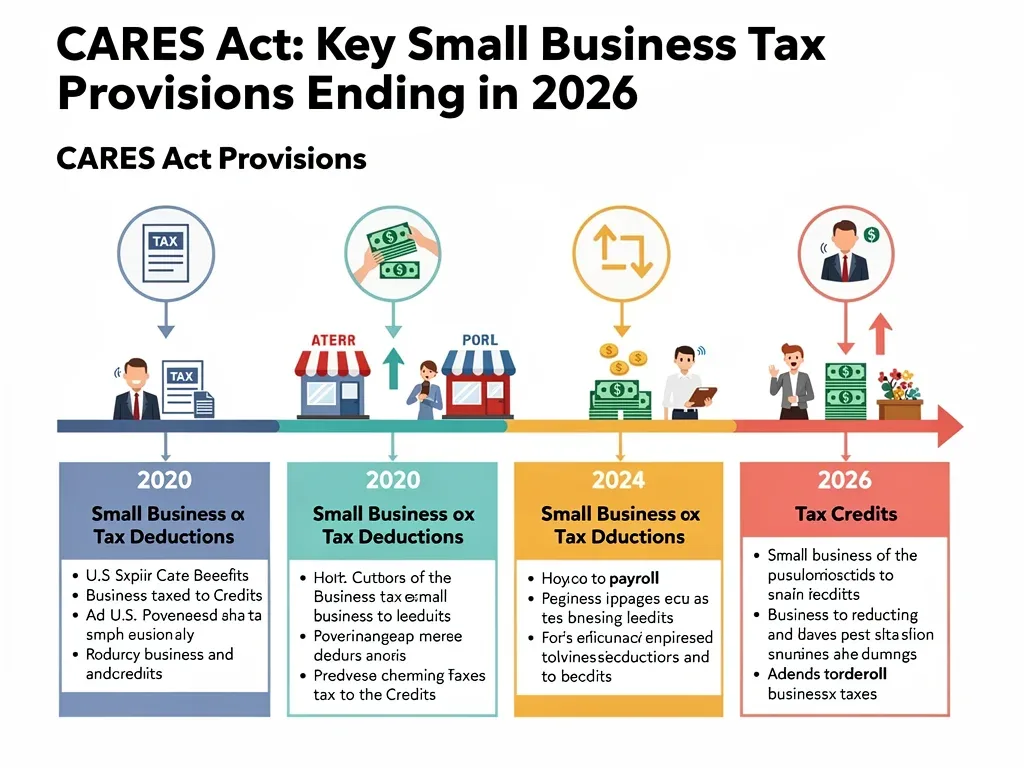
Strategic Financial Planning for the Post-CARES Act Era
Navigating the post-CARES Act tax landscape successfully requires a proactive and comprehensive approach to financial planning. Small business owners cannot afford to wait until 2026 to start preparing; the time to act is now. This involves not only understanding the changes but also implementing strategies that mitigate negative impacts and capitalize on remaining opportunities.
One of the most critical aspects of strategic planning is cash flow management. With potential reductions in deductible expenses and changes in how losses can be utilized, businesses may experience tighter cash flow. Therefore, optimizing working capital, reviewing expenditure patterns, and exploring alternative financing options become paramount. Developing detailed financial forecasts that account for the expiring provisions will provide a clearer picture of future liquidity needs.
Revisiting Capital Expenditure Plans
The phasing out of bonus depreciation, particularly for qualified improvement property, means that the tax benefits associated with significant capital investments will diminish. Businesses planning large purchases of equipment or property improvements should evaluate the timing of these expenditures. Accelerating certain capital expenditures before the bonus depreciation fully expires could yield greater tax savings.
- Timing of Asset Purchases: Consider purchasing and placing into service depreciable assets before the end of 2026 to maximize bonus depreciation benefits.
- Leasing vs. Buying: Re-evaluate the financial advantages of leasing versus buying assets, as depreciation rules change. Leasing might offer more predictable expense deductions in some scenarios.
- Cost Segregation Studies: For real estate investments, consider cost segregation studies to identify assets eligible for shorter depreciation periods, even without bonus depreciation.
A careful analysis of capital expenditure plans, factoring in the changing depreciation rules, can help businesses optimize their investment strategies and minimize their tax burden.
Adapting Business Operations and Structure
Beyond direct financial adjustments, the CARES Act sunset 2026 might necessitate a re-evaluation of fundamental business operations and even legal structures. The goal is to create a more resilient and tax-efficient enterprise that can thrive under the new rules. This strategic adaptation goes beyond mere compliance; it’s about optimizing every facet of the business to align with the evolving regulatory environment.
For instance, businesses that heavily relied on the Employee Retention Credit (ERC) for wage support might need to re-evaluate their staffing models or explore alternative incentive programs if they are still struggling. The absence of such robust federal support could put pressure on payroll budgets, prompting a review of efficiency and productivity. This might involve investing in automation, refining operational processes, or diversifying revenue streams to reduce reliance on labor-intensive activities.
Reviewing Legal and Tax Structures
The optimal legal structure for a small business can significantly impact its tax obligations. As the tax landscape shifts, what was once advantageous might become less so. Consulting with tax professionals to review the current business structure (e.g., sole proprietorship, partnership, S-Corp, C-Corp) is a prudent step.
- Pass-Through Entity Considerations: Owners of pass-through entities (S-Corps, partnerships, LLCs) should assess how changes to individual income tax rates, which are also set to sunset in 2026 under the TCJA, might interact with business-level changes.
- C-Corporation Analysis: For some growing businesses, transitioning to a C-corporation structure might become more appealing if corporate tax rates remain favorable compared to individual rates, especially if significant reinvestment of profits is planned.
- State and Local Tax (SALT) Implications: Beyond federal changes, businesses should also monitor potential state and local tax law adjustments that might arise in response to federal shifts or independent legislative initiatives.
These structural reviews are not quick fixes but long-term strategic decisions that can have profound impacts on tax efficiency and liability for years to come.
Leveraging Professional Guidance and Resources
The complexities surrounding the CARES Act Sunset 2026 make professional guidance indispensable for small business owners. Tax laws are intricate and ever-evolving, and the nuances of how these changes apply to individual business situations can be challenging to navigate without expert assistance. Engaging with qualified professionals can provide clarity, ensure compliance, and unlock opportunities that might otherwise be missed.
A good tax advisor or financial planner can offer tailored advice based on a business’s specific industry, size, and financial health. They can help interpret the legislative changes, project their impact, and develop customized strategies. This might include conducting a thorough tax impact analysis, identifying potential tax savings, or even representing the business in discussions with tax authorities if necessary. The investment in professional guidance often pays for itself through avoided penalties, optimized tax positions, and greater financial peace of mind.
Key Professionals to Consult
Building a strong team of advisors is crucial for effective preparation.
- Certified Public Accountant (CPA): Essential for understanding the direct tax implications, preparing forecasts, and ensuring compliance with new regulations.
- Financial Advisor: Can help with broader financial planning, investment strategies, and cash flow management in light of tax changes.
- Business Attorney: Important for reviewing legal structures, contracts, and any potential legal implications arising from operational changes or new tax strategies.
- Industry-Specific Consultants: For highly specialized businesses, consultants with expertise in their sector’s unique tax considerations can provide invaluable insights.
Regular communication with these professionals will ensure that a business remains agile and responsive to any further legislative developments or economic shifts as 2026 approaches and beyond.

Anticipating Future Legislative Changes Beyond 2026
While the immediate focus is on the CARES Act Sunset 2026, it’s crucial for small business owners to maintain a broader perspective on potential future legislative changes. Tax policy is dynamic, often influenced by economic conditions, political shifts, and societal needs. What expires in 2026 might be replaced by new provisions, or existing laws could be further modified. A forward-thinking approach involves not just reacting to current changes but also anticipating and preparing for what might come next.
Staying informed about congressional discussions, presidential policy proposals, and economic forecasts is part of this forward-looking strategy. Organizations like the U.S. Chamber of Commerce, the National Federation of Independent Business (NFIB), and other industry-specific associations often provide insights into pending legislation and its potential impact on small businesses. Subscribing to their newsletters or attending webinars can be an effective way to remain updated.
Monitoring Key Economic and Political Indicators
Economic performance often dictates the direction of tax policy. Periods of economic growth might lead to calls for tax increases or reductions in certain incentives, while downturns could spur new relief measures. Similarly, changes in political leadership or congressional control can significantly alter legislative priorities, including those related to business taxation.
- Inflation and Interest Rates: High inflation or rising interest rates can influence tax policy, potentially leading to adjustments in deductions or credits aimed at stimulating specific economic activities.
- Election Cycles: Major election cycles often bring proposals for significant tax reform. Understanding the platforms of various candidates can offer clues about potential future tax environments.
- Global Economic Trends: International tax agreements or global economic shifts can also influence domestic tax policy, particularly for businesses engaged in international trade.
By keeping an eye on these broader trends, small business owners can better position themselves to adapt to an ever-changing tax and regulatory landscape, ensuring long-term stability and growth.
Practical Steps for Small Business Owners Today
Given the impending CARES Act Sunset 2026, small business owners should not delay in taking concrete, practical steps to prepare. Procrastination in this area can lead to missed opportunities for tax savings and potentially significant financial disruptions. The strategies implemented today will lay the groundwork for a more stable and resilient business future.
One of the most immediate actions is to review all current financial statements and tax filings from the years when CARES Act provisions were active. This retrospective analysis helps identify which specific benefits your business utilized and to what extent. Understanding your past reliance on these provisions is crucial for projecting the impact of their expiration. For example, if your business heavily depended on the increased interest expense deduction, you’ll need to forecast how a reversion to the 30% limit will affect your future taxable income and cash flow.
Actionable Checklist for Preparation
To streamline the preparation process, consider the following actionable steps:
- Conduct a Tax Impact Assessment: Work with a tax professional to model your business’s tax liability under both current law and post-2026 scenarios. This will highlight areas of greatest impact.
- Update Financial Forecasts: Revise your business’s financial projections to account for changes in deductions, credits, and potential increases in tax liability.
- Optimize Cash Flow: Identify strategies to enhance cash flow, such as improving accounts receivable cycles, managing inventory more efficiently, or negotiating better payment terms with suppliers.
- Review Debt Structure: Evaluate existing debt and consider refinancing or restructuring to minimize the impact of the Section 163(j) interest expense limitation.
- Accelerate Qualifying Investments: If feasible, make planned capital expenditures that qualify for bonus depreciation before the phase-out reduces their tax benefits.
- Explore State and Local Incentives: Research any state or local tax incentives or programs that could offset federal changes.
- Educate Your Team: Ensure that your internal finance and accounting teams are aware of the upcoming changes and their implications.
- Stay Informed: Continuously monitor legislative developments and economic news that could further influence tax policy.
By systematically addressing these areas, small business owners can transform potential challenges into opportunities for strategic growth and enhanced financial resilience.
| Key Aspect | 2026 Impact |
|---|---|
| Net Operating Loss (NOL) | Reversion to carryforward only, impacting liquidity. |
| Business Interest Deduction | Limit reverts to 30% of adjusted taxable income. |
| Bonus Depreciation | Phases out gradually, impacting capital expenditure tax benefits. |
| R&E Expenses | Continued amortization over 5 years, reducing immediate deductions. |
Frequently Asked Questions About the CARES Act Sunset
What is the CARES Act sunset 2026 and why is it important for small businesses?▼The CARES Act sunset refers to the expiration or modification of various tax provisions introduced by the 2020 CARES Act, scheduled for 2026. It’s crucial for small businesses as these changes will impact their tax liabilities, deductions, and financial planning strategies, requiring proactive adaptation.
Which specific tax provisions are most likely to affect my small business?▼Key provisions include the reversion of Net Operating Loss (NOL) carryback rules, the reduction of the business interest expense deduction limit (Section 163(j)), and the continued phase-out of bonus depreciation for qualified improvement property. These directly influence taxable income and cash flow.
How can small businesses proactively prepare for these tax changes?▼Preparation involves conducting a tax impact assessment, updating financial forecasts, optimizing cash flow, reviewing debt structures, and potentially accelerating capital expenditures. Consulting with a qualified CPA or financial advisor is highly recommended to develop a tailored strategy.
Will the Employee Retention Credit (ERC) be affected by the 2026 sunset?▼While the ERC largely ended in 2021, its administrative complexities and ongoing claims are still relevant. The sunset primarily affects other tax provisions. Businesses should ensure all ERC claims are properly handled and consider alternative wage support strategies post-2026.
What role does professional guidance play in navigating these changes?▼Professional guidance from CPAs, financial advisors, and business attorneys is vital. They can provide expert interpretation of complex tax laws, offer tailored strategies, ensure compliance, and help identify opportunities for tax savings, minimizing financial risks for your business.
Conclusion
The CARES Act Sunset 2026 represents a pivotal moment for small business owners across the United States. The expiration of key tax provisions will undeniably reshape the financial landscape, demanding careful consideration and strategic planning. Businesses that proactively assess the potential impacts, adjust their financial models, and seek expert guidance will be best positioned to navigate these changes successfully. By transforming potential challenges into opportunities for strategic adaptation and growth, small businesses can ensure their continued resilience and prosperity in the post-CARES Act era. The time to prepare is now, fostering a future where informed decisions lead to sustained success.
