2026 Mortgage Rate Forecast: What 6.8% Means for Homebuyers
Advertisements
The 2026 mortgage rate forecast projects an average of 6.8%, significantly impacting homebuyers’ affordability and market dynamics, requiring strategic financial planning for prospective homeowners.
As we look ahead to 2026, understanding the trajectory of housing costs becomes paramount for anyone considering homeownership. The latest projections suggest that the 2026 mortgage rate forecast will hover around an average of 6.8%, a figure that carries significant implications for aspiring and current homeowners alike. This anticipated rate will undoubtedly shape purchasing power, market inventory, and overall financial strategies.
Understanding the 2026 Mortgage Rate Forecast
The anticipation of a 6.8% average mortgage rate in 2026 is not a number to be taken lightly; it’s a critical economic indicator influencing one of the largest financial decisions many Americans will ever make. This forecast stems from a complex interplay of economic factors, including inflation, Federal Reserve policies, and global economic stability. Understanding these underlying mechanisms is essential for homebuyers to navigate the market effectively.
Mortgage rates are intrinsically linked to the broader economic landscape. When inflation runs hot, the Federal Reserve often steps in to cool the economy by raising the federal funds rate, which in turn influences other lending rates, including mortgages. Conversely, a weakening economy might prompt the Fed to lower rates to stimulate growth. The 6.8% projection suggests a continued effort by central banks to manage inflation while fostering a stable economic environment.
Key Economic Drivers Influencing Rates
Several key economic indicators contribute to the shaping of mortgage rates. These include the Consumer Price Index (CPI), which measures inflation; the unemployment rate, reflecting labor market strength; and Gross Domestic Product (GDP) growth, indicating overall economic health. Each of these plays a pivotal role in the Fed’s decisions and, consequently, in the mortgage market.
- Inflation: Persistent inflation often leads to higher interest rates as lenders seek to maintain their purchasing power.
- Federal Reserve Policy: The Fed’s monetary policy, particularly changes to the federal funds rate, directly impacts the cost of borrowing for banks, which then passes these costs to consumers.
- Economic Growth: A robust economy can support higher rates, while an economic slowdown might necessitate lower rates to encourage spending and investment.
Moreover, global events and geopolitical tensions can also introduce volatility into financial markets, affecting bond yields and, by extension, mortgage rates. The housing market is rarely isolated from these larger forces, making a comprehensive understanding of the economic outlook crucial for anyone planning to buy a home.
The 6.8% average rate for 2026 suggests a period where economic factors might be settling into a new normal, potentially higher than the ultra-low rates seen in previous years, but perhaps more stable than the rapid fluctuations experienced recently. This stability, even at a higher level, could allow for more predictable financial planning for future homebuyers.
Impact on Homebuyers’ Affordability
A projected average mortgage rate of 6.8% in 2026 will have a profound impact on homebuyers’ affordability, especially when combined with existing housing prices. Higher interest rates translate directly into higher monthly mortgage payments, reducing the amount of home a buyer can afford for the same monthly budget. This shift can significantly alter the landscape for first-time buyers and those looking to upgrade.
Consider a $400,000 home with a 30-year fixed-rate mortgage. The difference in monthly payments between a 5% rate and a 6.8% rate can be substantial. This increased cost can push some buyers out of their desired price range or even out of the market entirely, particularly in areas with already high home values. Affordability becomes a tightrope walk where income, debt, and interest rates must all align.
Calculating Your Purchasing Power
Understanding how a 6.8% rate affects your purchasing power involves more than just looking at the sticker price of a home. It requires a detailed calculation of your debt-to-income ratio and how much you can comfortably allocate to housing costs each month. Financial advisors often recommend that housing expenses, including principal, interest, taxes, and insurance (PITI), should not exceed 28% of your gross monthly income.
- Increased Monthly Payments: A higher rate directly increases your principal and interest payment, reducing the total loan amount you can qualify for.
- Higher Total Interest Paid: Over the life of a 30-year mortgage, even a seemingly small percentage increase can add tens of thousands of dollars to the total interest paid.
- Impact on Down Payments: Some buyers might opt for larger down payments to reduce the loan amount and, consequently, the impact of the higher interest rate.
Moreover, the psychological effect of higher rates can also play a role. Buyers who were accustomed to lower rates might find the current environment daunting, leading to hesitation or a re-evaluation of their homeownership goals. This can also lead to a cooling effect on demand, which could, in some markets, stabilize or even slightly reduce home price appreciation.
For many, adapting to a 6.8% average rate will mean adjusting expectations, exploring different neighborhoods, or considering smaller homes. It underscores the importance of pre-approval and careful budgeting to ensure that homeownership remains a sustainable and achievable goal.
Strategies for Navigating Higher Rates
Facing a 2026 mortgage rate forecast averaging 6.8% requires a proactive and strategic approach from prospective homebuyers. It’s no longer just about finding the right home; it’s also about optimizing your financial position to mitigate the impact of higher borrowing costs. Several strategies can help you navigate this environment successfully and make homeownership a reality.
One of the most effective strategies is to bolster your financial health well in advance. This includes improving your credit score, reducing existing debt, and accumulating a larger down payment. A strong financial profile not only increases your chances of loan approval but can also potentially qualify you for the most favorable rates available, even within a generally higher rate environment.
Financial Preparedness and Loan Options
Being financially prepared means more than just saving for a down payment. It involves a holistic review of your finances. Lenders look for stability and reliability, so demonstrating a consistent income, low debt-to-income ratio, and a robust savings cushion will be advantageous.
- Improve Your Credit Score: A higher credit score can unlock lower interest rates, saving you significant money over the life of the loan.
- Save a Larger Down Payment: A larger down payment reduces the principal amount borrowed, thereby lessening the impact of a higher interest rate on your monthly payments.
- Explore Different Loan Products: While a 30-year fixed-rate mortgage is common, consider other options like adjustable-rate mortgages (ARMs) if you plan to move or refinance within a few years, or 15-year fixed mortgages for lower total interest, if affordable.

Another key strategy is to thoroughly research and compare lenders. Different lenders offer varying rates and terms, and a diligent search can uncover better deals. Don’t be afraid to negotiate or ask for a rate match if you find a more competitive offer elsewhere. Online mortgage brokers and local banks can offer diverse options.
Finally, consider the potential for refinancing in the future. While rates are projected to be 6.8% in 2026, economic conditions can change. If rates drop significantly in subsequent years, refinancing could be an option to reduce your monthly payments or total interest paid. However, this should not be the sole basis for your initial purchase decision.
The Broader Housing Market in 2026
The 2026 mortgage rate forecast of 6.8% will not only affect individual homebuyers but will also ripple through the broader housing market. This anticipated rate will influence inventory levels, home price appreciation, and the overall pace of sales. Understanding these broader market dynamics is crucial for both buyers and sellers to make informed decisions.
Higher interest rates typically lead to a cooling of the housing market. When borrowing becomes more expensive, demand tends to soften, which can temper rapid home price growth. In some markets, this might even lead to price plateaus or slight corrections, offering a more balanced environment for buyers after years of intense competition.
Supply, Demand, and Price Trends
The relationship between supply, demand, and mortgage rates is dynamic. A 6.8% average rate could lead to fewer buyers being able to afford current prices, resulting in increased inventory as homes stay on the market longer. This shift could empower buyers with more negotiation leverage, a stark contrast to recent years.
- Moderated Price Growth: Higher rates often lead to a deceleration in home price appreciation, making the market less overheated.
- Increased Inventory: As demand cools, more homes may become available on the market, offering buyers more choices.
- Slower Sales Pace: Homes might take longer to sell, giving buyers more time for due diligence and less pressure to make quick decisions.
Furthermore, the rental market could also see an impact. If homeownership becomes less accessible due to higher mortgage rates, more individuals might remain renters, potentially driving up rental demand and prices. This creates a complex ecosystem where various housing sectors are interconnected.
Developers and builders will also be monitoring these trends closely. Higher borrowing costs for construction loans, combined with potentially softer demand, could influence the pace of new home builds. This could either exacerbate or alleviate inventory issues depending on the regional specifics and existing housing shortages.
Overall, the 2026 housing market, under the influence of a 6.8% mortgage rate, is likely to be characterized by a shift towards a more balanced environment. While still competitive in desirable areas, the intense bidding wars and rapid price escalations seen in recent times may become less common, offering a more measured approach to real estate transactions.
Refinancing Opportunities and Considerations
While the 2026 mortgage rate forecast of 6.8% might seem high to some, it’s important to remember that rates are not static. For current homeowners, and even for those purchasing at 6.8%, future refinancing opportunities could become a significant consideration. The decision to refinance involves weighing potential savings against closing costs and market trends.
Refinancing essentially means replacing your existing mortgage with a new one, ideally with more favorable terms. This could be a lower interest rate, a shorter loan term, or a different loan type. For those who secure a mortgage at 6.8% or higher, a future decline in rates could present a valuable opportunity to reduce monthly payments or total interest paid over the loan’s life.
When to Consider Refinancing
The optimal time to refinance depends on several factors, including how much rates have dropped, your current loan balance, and how long you plan to stay in your home. A general rule of thumb often cited is that a rate drop of at least 0.75% to 1% below your current rate could make refinancing worthwhile, but this can vary.
- Significant Rate Drop: If market rates fall substantially below your current mortgage rate, refinancing can lead to considerable monthly savings.
- Improved Financial Position: If your credit score has significantly improved or your debt-to-income ratio has decreased, you might qualify for better rates and terms.
- Change in Loan Term: You might refinance to shorten your loan term (e.g., from 30 to 15 years) to pay off your mortgage faster, or lengthen it to reduce monthly payments.
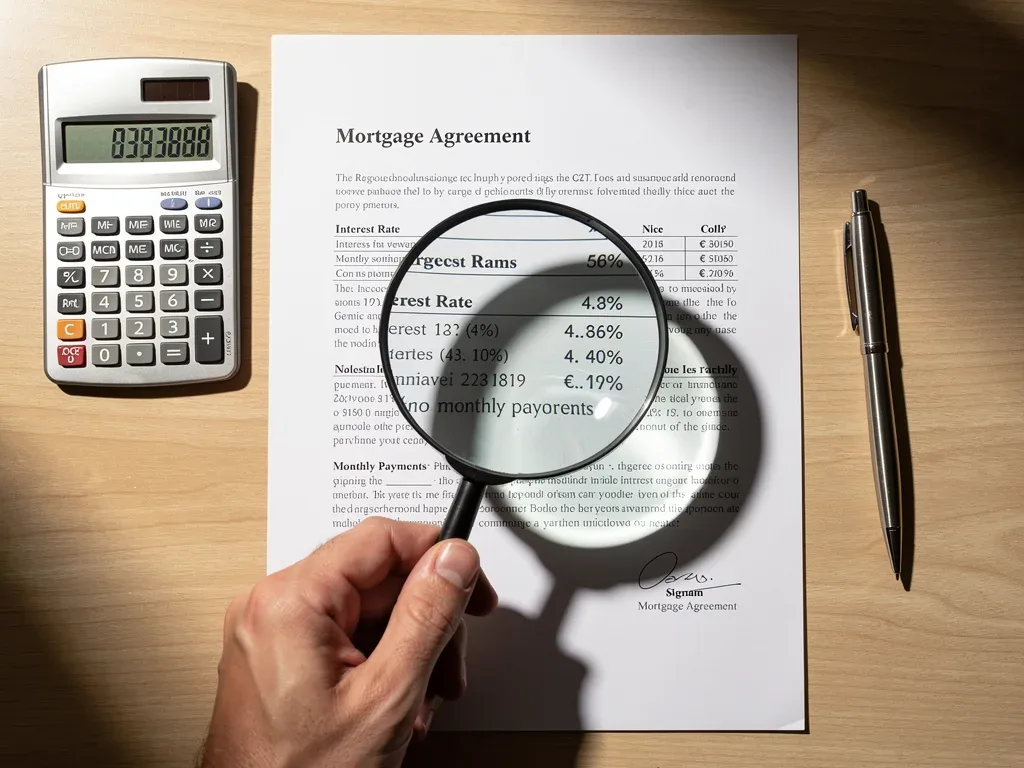
However, refinancing is not without costs. Closing costs, including appraisal fees, title insurance, and origination fees, can amount to several thousands of dollars. It’s crucial to calculate the break-even point – how long it will take for your monthly savings to offset these upfront costs. If you plan to sell your home before reaching this point, refinancing might not be financially beneficial.
For those purchasing a home with a 6.8% rate in 2026, keeping an eye on economic forecasts and market movements will be key. Setting up alerts for rate changes and regularly reviewing your financial situation with a mortgage professional can help you seize opportunities if and when they arise, ensuring you always have the most advantageous loan terms possible.
Expert Insights and Future Outlook
The 2026 mortgage rate forecast of 6.8% is a consensus derived from numerous economic models and expert analyses. However, it’s crucial to remember that forecasts are not guarantees and are subject to change based on evolving economic conditions. Leading economists and financial institutions weigh in on various factors that could shift this outlook, offering valuable insights for homebuyers.
Experts generally agree that the path of inflation will be the primary driver of future interest rate decisions by the Federal Reserve. If inflation proves more stubborn than anticipated, rates could remain elevated or even increase further. Conversely, a rapid deceleration of inflation could pave the way for rate cuts, potentially bringing mortgage rates down below the current 2026 projection.
Factors that Could Shift the Forecast
Several key factors have the potential to alter the projected 6.8% average for 2026. These include geopolitical stability, global supply chain resilience, and the ongoing performance of the labor market. Each of these elements can introduce unforeseen variables into the economic equation, impacting the Fed’s strategy and, consequently, mortgage rates.
- Geopolitical Events: Major international conflicts or policy shifts can create economic uncertainty, influencing global markets and interest rates.
- Supply Chain Dynamics: Disruptions or improvements in global supply chains can impact inflation, directly affecting the Fed’s stance on interest rates.
- Labor Market Strength: A persistently strong labor market, while positive for the economy, can also contribute to inflationary pressures, potentially keeping rates higher.
Many experts suggest that while short-term volatility is always possible, the long-term trend for mortgage rates will likely be influenced by the broader goal of economic stability. This implies that while we might not return to the historically low rates of the past, extreme spikes might also be mitigated by central bank interventions designed to prevent severe economic downturns.
For homebuyers, the takeaway is to remain adaptable and informed. While the 6.8% forecast provides a baseline for planning, staying updated on economic news and consulting with financial professionals will allow for timely adjustments to your homebuying strategy. Preparing for various scenarios will ultimately lead to more confident and resilient financial decisions in the evolving housing market.
Preparing for Homeownership in a 6.8% Rate Environment
Preparing for homeownership when the 2026 mortgage rate forecast stands at 6.8% requires a comprehensive and disciplined approach. It’s about more than just saving money; it’s about optimizing every aspect of your financial life to secure the best possible terms and ensure long-term affordability. This environment demands diligence, patience, and smart financial planning.
One of the most critical steps is to conduct a thorough self-assessment of your finances. Understand your current income, expenses, and debt obligations. This will provide a realistic picture of what you can truly afford and where you might need to make adjustments. Creating a detailed budget and sticking to it is non-negotiable in this rate environment.
Key Steps for Prospective Homeowners
There are several actionable steps prospective homeowners can take to position themselves favorably in a 6.8% rate environment. These steps are designed to maximize your financial strength and minimize the impact of higher interest costs.
- Aggressive Savings: Prioritize saving for a larger down payment. A substantial down payment reduces your loan amount, thereby lowering your monthly payments and total interest over time.
- Debt Reduction: Pay down high-interest debt, such as credit card balances or personal loans. Lowering your debt-to-income ratio will improve your creditworthiness and free up more income for mortgage payments.
- Credit Score Optimization: Regularly monitor your credit report for errors and take steps to improve your score. A higher score can lead to better loan terms.
- Pre-Approval: Get pre-approved for a mortgage early in your home search. This not only gives you a clear budget but also shows sellers you are a serious and qualified buyer.
Additionally, consider seeking advice from a qualified financial advisor or mortgage broker. These professionals can offer personalized guidance, help you explore various loan options, and provide insights into market trends specific to your region. Their expertise can be invaluable in navigating the complexities of a higher-rate market.
Finally, be prepared to be flexible with your home search. You might need to adjust your expectations regarding home size, location, or amenities to fit within your budget. Flexibility, combined with meticulous financial preparation, will significantly enhance your chances of achieving homeownership success in 2026.
| Key Aspect | Brief Description |
|---|---|
| 2026 Forecast | Average mortgage rates projected around 6.8%, influenced by inflation and Fed policy. |
| Affordability Impact | Higher monthly payments reduce purchasing power for homebuyers, requiring budget adjustments. |
| Navigation Strategies | Focus on improving credit, saving larger down payments, and exploring diverse loan options. |
| Market Dynamics | Expect moderated price growth, increased inventory, and a slower sales pace in the housing market. |
Frequently Asked Questions About 2026 Mortgage Rates
What factors primarily influence the 2026 mortgage rate forecast?▼The 2026 mortgage rate forecast is mainly influenced by inflation trends, Federal Reserve monetary policies, and overall economic growth. Global events and supply chain stability also play significant roles in shaping these projections.
How will a 6.8% average mortgage rate affect my monthly payments?▼A 6.8% average rate will result in higher monthly mortgage payments compared to lower rates. For instance, on a $300,000 loan, it could mean hundreds of dollars more per month, impacting your overall affordability and budget.
Are there strategies to mitigate the impact of higher mortgage rates?▼Yes, strategies include improving your credit score, saving for a larger down payment, exploring different loan types like ARMs, and reducing existing debt. These steps can help secure better terms or lower your principal.
Will the housing market cool down with a 6.8% mortgage rate?▼Generally, higher rates tend to cool down the housing market by moderating demand. This can lead to slower home price appreciation, increased inventory, and a less competitive environment for buyers, offering more negotiation power.
Should I wait to buy a home if rates are projected to be 6.8%?▼The decision to buy or wait is personal. While 6.8% is higher, waiting could mean missing out on current home values. Focus on financial preparedness and consider potential future refinancing if rates decrease, rather than solely timing the market.
Conclusion
The 2026 mortgage rate forecast, pointing to an average of 6.8%, presents a significant, yet manageable, challenge for prospective homebuyers. While this rate necessitates careful financial planning and potentially adjusted expectations, it is far from insurmountable. By understanding the economic forces at play, meticulously preparing personal finances, exploring all available loan options, and staying informed about broader market trends, individuals can still achieve their homeownership dreams. The housing market continues to evolve, and adaptability, coupled with sound financial strategy, will be the keys to success in this new interest rate landscape, ensuring that the dream of owning a home remains within reach for many across the United States.