Vocational Training 2026: High-Demand Skills for New Economy
Advertisements
The evolving landscape of vocational training in 2026 is fundamentally shaped by rapid technological advancements and shifting economic paradigms, demanding a proactive re-evaluation of high-demand skills for a future-ready workforce.
The world of work is undergoing a profound transformation, and nowhere is this more evident than in the realm of vocational education. In 2026, understanding the evolving landscape of vocational training in 2026: high-demand skills for the new economy is not just advantageous, but absolutely essential for individuals seeking meaningful careers and for industries striving for innovation and growth. This article delves into the critical shifts defining vocational training, exploring the skills that are becoming indispensable and the pathways to acquire them in this dynamic era.
The Digital Revolution and its Impact on Vocational Training
The pervasive influence of digital technology has fundamentally reshaped industries, creating new job roles and rendering others obsolete. Vocational training programs are now at the forefront of preparing individuals for this digitally-driven economy, emphasizing competencies that were once considered niche but are now mainstream requirements across various sectors.
The integration of artificial intelligence (AI), machine learning (ML), and the Internet of Things (IoT) into everyday operations means that technical skills alone are no longer sufficient. Workers need to understand how these technologies function, how to interact with them, and how to leverage them for problem-solving and efficiency. This shift demands a continuous learning mindset and adaptive curricula within vocational institutions.
AI and Automation: A New Skillset Imperative
As AI and automation become more sophisticated, the nature of work changes. Repetitive tasks are increasingly handled by machines, freeing up human workers to focus on more complex, creative, and strategic roles. Vocational training must therefore equip students with the ability to manage, maintain, and even program these advanced systems.
- Robotics Technician: Installing, maintaining, and troubleshooting robotic systems in manufacturing and logistics.
- AI System Operator: Monitoring and optimizing AI-driven processes, understanding basic AI principles.
- Automation Specialist: Designing and implementing automated solutions in various industrial settings.
The rise of these technologies also underscores the importance of data literacy. Understanding how to collect, analyze, and interpret data generated by automated systems is crucial for informed decision-making and process improvement. Vocational programs are increasingly incorporating modules on data analytics, even for traditionally hands-on trades.
In conclusion, the digital revolution is not just an add-on but a foundational element of modern vocational training. Programs that fail to integrate digital literacy and specialized tech skills will struggle to produce graduates who are truly prepared for the demands of 2026 and beyond.
Sustainability and Green Skills: A Growing Demand
With increasing global awareness and regulatory pressures concerning climate change, the demand for green skills is skyrocketing. Vocational training plays a pivotal role in developing the workforce needed to transition to a more sustainable economy, covering everything from renewable energy to eco-friendly construction practices.
This sector is not just about environmental protection; it represents a significant economic opportunity, creating millions of jobs in areas like renewable energy installation, energy efficiency auditing, and sustainable agriculture. Vocational schools are adapting their programs to include these vital competencies, ensuring graduates are ready to contribute to a greener future.
Renewable Energy Technologies: Powering the Future
The expansion of solar, wind, and geothermal energy sources requires a specialized workforce for installation, maintenance, and system management. These are highly technical roles that vocational training is uniquely positioned to fill.
- Solar Panel Installer: Expertise in fitting and maintaining photovoltaic systems for residential and commercial properties.
- Wind Turbine Technician: Skilled in the assembly, inspection, and repair of wind turbines.
- Energy Efficiency Auditor: Assessing energy consumption and recommending sustainable improvements for buildings.
Beyond direct energy production, green skills also encompass sustainable resource management and waste reduction. Vocational programs are integrating principles of circular economy, teaching students how to design products for longevity, repairability, and recyclability. This holistic approach ensures a comprehensive understanding of sustainable practices.
Ultimately, the push for sustainability is creating a new wave of vocational opportunities. Training institutions that embrace green technologies and practices will empower their students to lead the charge in building a more environmentally responsible and economically viable future.
The Resurgence of Trades and Advanced Manufacturing
While many focus on digital skills, traditional trades are experiencing a significant resurgence, albeit with a modern twist. Advanced manufacturing, driven by automation, 3D printing, and smart factory concepts, requires highly skilled technicians who can bridge the gap between traditional craftsmanship and cutting-edge technology.
This sector offers stable, well-paying jobs and is critical for economic resilience. Vocational training programs are evolving to incorporate these advanced techniques, ensuring that the next generation of skilled tradespeople are equipped with both foundational knowledge and innovative technological proficiencies.
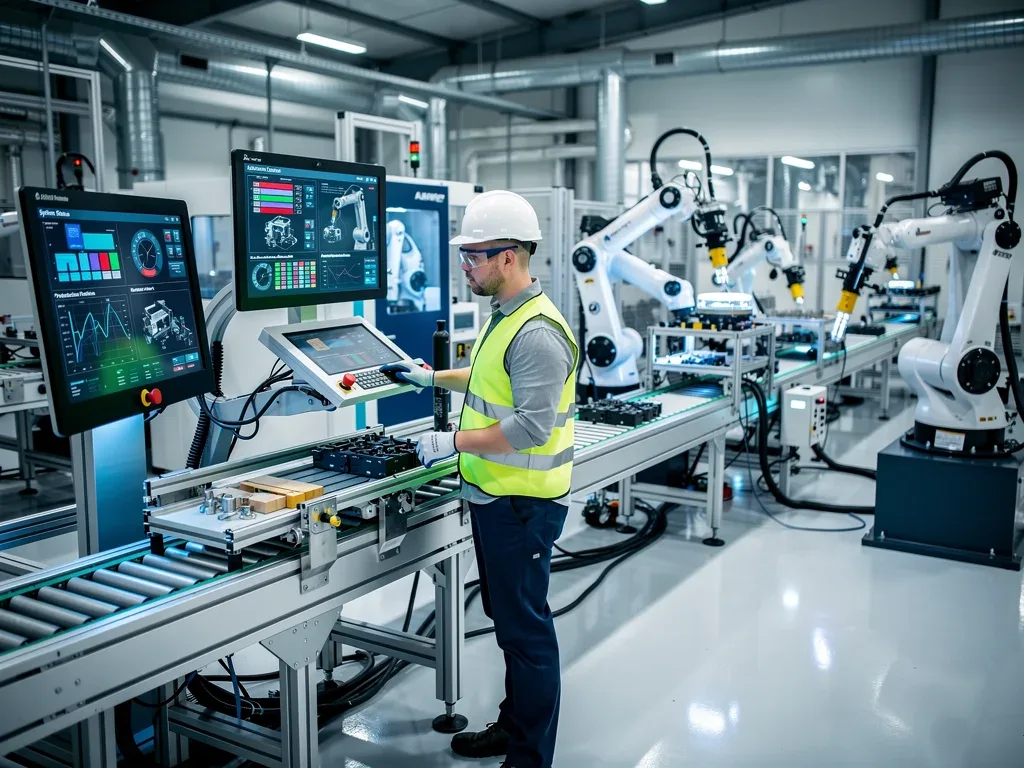
Smart Manufacturing and Industry 4.0 Skills
Industry 4.0 refers to the ongoing automation of traditional manufacturing and industrial practices, using modern smart technology. This includes large-scale machine-to-machine communication (M2M) and the Internet of Things (IoT). Vocational training is crucial for preparing workers for this integrated environment.
- Mechatronics Technician: Combining mechanical, electrical, and computer engineering skills to work with complex automated systems.
- Additive Manufacturing Specialist: Operating and maintaining 3D printers for industrial production.
- Industrial Cybersecurity Technician: Protecting industrial control systems from cyber threats.
The demand for skilled tradespeople is not just in manufacturing. Construction, healthcare, and infrastructure development also require a robust workforce capable of handling sophisticated equipment and adhering to stringent safety and quality standards. Vocational schools are partnering with industry to tailor programs that meet these specific needs, often incorporating apprenticeships for practical experience.

In essence, the trades are not disappearing; they are transforming. Vocational training is vital for ensuring that these essential roles are filled by individuals who possess both the manual dexterity of traditional crafts and the intellectual agility to master advanced technological tools.
Healthcare and Social Care: Ever-Growing Needs
The healthcare and social care sectors are experiencing unprecedented growth, driven by an aging population, advancements in medical technology, and increased awareness of mental health. This expansion translates into a continuous demand for skilled professionals at all levels, from direct patient care to administrative and support roles.
Vocational training programs in these areas are constantly updated to reflect the latest medical practices, technologies, and patient care philosophies. They provide essential hands-on experience, preparing graduates for immediate entry into rewarding and impactful careers.
Specialized Healthcare Support Roles
Beyond doctors and nurses, a vast array of specialized support roles are critical to the functioning of modern healthcare systems. These roles often require specific vocational training and certification.
- Medical Assistant: Performing administrative and clinical tasks in healthcare facilities, often requiring phlebotomy and basic patient care skills.
- Certified Nursing Assistant (CNA): Providing direct care to patients under the supervision of a registered nurse, assisting with daily living activities.
- Pharmacy Technician: Assisting pharmacists in dispensing medication and managing pharmacy operations.
The social care sector, encompassing elder care, child care, and support for individuals with disabilities, also faces significant workforce shortages. Vocational training addresses this by providing empathetic individuals with the necessary skills in communication, personal care, and crisis intervention. The emphasis here is not just on technical skills but also on crucial soft skills like compassion and patience.
To summarize, the healthcare and social care sectors represent a stable and expanding career path. Vocational training programs are essential for equipping individuals with the practical skills and compassionate approach needed to excel in these vital fields, contributing significantly to community well-being.
The Primacy of Soft Skills and Adaptability
While technical skills are undoubtedly critical, the new economy places an equally high value on soft skills. Employers consistently report that attributes like critical thinking, problem-solving, communication, and adaptability are paramount for success, regardless of the specific technical domain. Vocational training in 2026 must integrate these competencies deeply into its curriculum.
The ability to collaborate effectively, resolve conflicts, and demonstrate emotional intelligence can often be the differentiator in a competitive job market. As technologies evolve rapidly, the capacity to learn new skills and adapt to changing environments becomes an invaluable asset for any professional.
Crucial Competencies for Career Longevity
Soft skills are often transferable across different industries and roles, making them vital for career resilience. Developing these attributes can future-proof an individual’s career in an unpredictable economic landscape.
- Critical Thinking and Problem Solving: Analyzing situations, identifying root causes, and devising effective solutions.
- Communication and Collaboration: Articulating ideas clearly, listening actively, and working effectively in teams.
- Adaptability and Continuous Learning: Embracing new technologies and methodologies, and committing to lifelong skill development.
Vocational training programs are increasingly employing project-based learning, group assignments, and real-world simulations to cultivate these soft skills. Feedback mechanisms and self-assessment tools help students understand their strengths and areas for improvement. The focus is on creating well-rounded individuals who can not only perform technical tasks but also thrive in dynamic work environments.
Therefore, while specialized technical knowledge remains crucial, the emphasis on developing robust soft skills and fostering adaptability within vocational training is non-negotiable. These human-centric attributes are what will truly distinguish the workforce of the new economy.

Pathways to Future-Proof Your Career
Navigating the complex landscape of vocational training in 2026 requires strategic planning and an understanding of the various pathways available. For individuals, this means identifying high-demand skills relevant to their interests and career aspirations. For training providers, it means offering flexible, industry-aligned programs that cater to diverse learners.
The traditional model of a one-time education is being replaced by a continuous learning paradigm, where upskilling and reskilling are essential throughout one’s professional life. Vocational institutions are at the forefront of this shift, offering micro-credentials, apprenticeships, and flexible online learning options to meet the needs of a dynamic workforce.
Flexible Learning and Micro-Credentials
The demand for shorter, more focused training options is growing, especially for working professionals looking to acquire specific skills without committing to lengthy degree programs. Micro-credentials and certifications are becoming increasingly popular.
- Online Courses and Bootcamps: Intensive, short-term programs focused on specific technical or soft skills.
- Apprenticeships and Internships: Combining on-the-job training with theoretical instruction, often leading to certification.
- Industry Certifications: Recognized credentials from industry bodies validating proficiency in specific software, hardware, or processes.
Furthermore, partnerships between vocational schools and employers are becoming more crucial. These collaborations ensure that training programs are directly aligned with industry needs, providing students with relevant skills and employers with a pipeline of qualified talent. Such partnerships often involve curriculum development, guest lectures, and placement opportunities.
In conclusion, future-proofing a career in the new economy involves embracing a philosophy of lifelong learning and strategically choosing vocational pathways that offer high-demand skills. The accessibility and flexibility of modern vocational training are key to empowering individuals to adapt and thrive in an ever-changing job market.
| Key Trend | Brief Description |
|---|---|
| Digital Transformation | Integration of AI, IoT, and data analytics across all vocational fields, demanding tech literacy. |
| Green Skills Demand | Growing need for expertise in renewable energy, sustainability, and eco-friendly practices. |
| Advanced Manufacturing | Modernization of trades with automation, 3D printing, and smart factory technologies. |
| Soft Skills Importance | Critical thinking, communication, and adaptability are essential for career longevity. |
Frequently Asked Questions About Vocational Training in 2026
What are the most in-demand vocational skills for 2026?▼The most in-demand skills for 2026 include digital literacy, AI and automation operation, renewable energy installation, advanced manufacturing techniques, and specialized healthcare support. These areas reflect the ongoing technological advancements and evolving societal needs, creating numerous job opportunities across various industries.
How is vocational training adapting to new technologies?▼Vocational training is adapting by integrating AI, IoT, and data analytics into curricula, offering hands-on experience with advanced machinery, and developing specialized programs for emerging tech roles. Many institutions are also adopting flexible learning models and micro-credentials to allow for continuous upskilling and reskilling in response to rapid technological shifts.
Why are soft skills important in vocational careers now?▼Soft skills like critical thinking, problem-solving, communication, and adaptability are crucial because they enable individuals to navigate complex work environments, collaborate effectively, and continuously learn new technical skills. As automation handles routine tasks, human-centric skills become key differentiators and drivers of innovation and efficiency.
What role do green skills play in the new economy?▼Green skills are vital for the transition to a sustainable economy, encompassing expertise in renewable energy, energy efficiency, and sustainable resource management. These skills are creating new job markets and are essential for industries to meet environmental regulations and consumer demands for eco-friendly products and services, fostering both ecological and economic growth.
How can I future-proof my career with vocational training?▼To future-proof your career, focus on acquiring high-demand technical skills in areas like digital technology, green energy, or advanced manufacturing, while simultaneously developing strong soft skills. Embrace lifelong learning through micro-credentials, apprenticeships, and continuous professional development, ensuring you remain adaptable and relevant in a rapidly evolving job market.
Conclusion
The evolving landscape of vocational training in 2026 clearly indicates a future where adaptability, continuous learning, and a blend of technical and soft skills are paramount. As technology advances and societal needs shift, vocational education stands as a critical pillar, preparing individuals for high-demand roles in sectors ranging from digital technology and green energy to advanced manufacturing and healthcare. By embracing these changes and focusing on future-proof skills, individuals can forge resilient and rewarding career paths, while industries can secure the skilled workforce necessary for innovation and sustainable growth.