2026 PSAT/NMSQT: Comprehensive Guide for High School Juniors
Advertisements
High school juniors preparing for the 2026 PSAT/NMSQT must understand its digital format, revamped content, and strategic preparation methods to achieve optimal scores and unlock potential National Merit Scholarship recognition.
For high school juniors, Understanding the 2026 PSAT/NMSQT: A Comprehensive Guide for High School Juniors is more than just another test; it’s a pivotal moment that can significantly influence their academic and financial future. This examination serves as a crucial stepping stone, not only for college readiness but also as the qualifying test for the prestigious National Merit Scholarship Program. Navigating its nuances, especially with the digital transition, requires a clear roadmap.
The Evolving Landscape of the PSAT/NMSQT
The PSAT/NMSQT has undergone significant transformations, particularly with its shift to a fully digital format. This evolution is designed to enhance accessibility and provide a more adaptive testing experience for students. Understanding these fundamental changes is the first step toward effective preparation and achieving a competitive score.
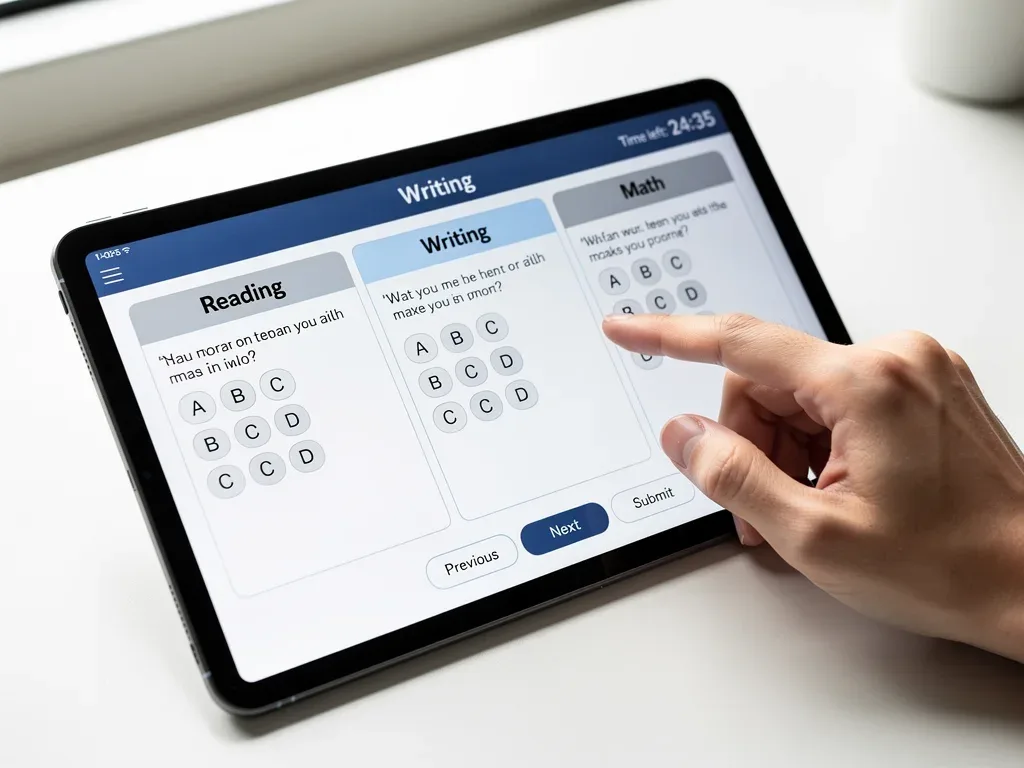
The digital PSAT/NMSQT maintains its core purpose: to assess college readiness skills in reading, writing, and math, and to identify potential National Merit Scholars. However, the delivery method and certain test features have been re-imagined. Students will now take the exam on a computer or tablet, which introduces new dynamics, such as built-in timers and on-screen tools. This digital shift aims to mirror the increasingly digital world students inhabit, making the test feel more familiar and less daunting for some.
Key Changes in the Digital Format
- Adaptive Testing: The digital PSAT/NMSQT is a linear adaptive test. This means the difficulty of the second module in both the Reading and Writing section and the Math section will adjust based on a student’s performance in the first module. This adaptation allows for a more precise measurement of ability with fewer questions overall.
- Shorter Test Duration: The total testing time has been reduced, making the experience less exhaustive for students. This condensed format means each question carries slightly more weight, emphasizing accuracy and efficiency.
- Integrated Calculator: A graphing calculator is built directly into the digital testing platform for the math section, and students can use their own approved calculators if they prefer. This removes the need to bring a physical calculator, streamlining the testing process.
These changes are not merely cosmetic; they fundamentally alter the test-taking experience. Students must familiarize themselves with the digital interface and adaptive nature of the exam. Practicing with digital tools and understanding how question difficulty can shift are vital components of a successful preparation strategy. The move to digital also impacts how students manage their time and approach different types of questions, requiring a strategic adjustment in their study habits.
Decoding the 2026 PSAT/NMSQT Scoring
Understanding the scoring system for the 2026 PSAT/NMSQT is crucial for high school juniors. It’s not just about getting questions right; it’s about understanding how those correct answers translate into a score that can open doors to college admissions and scholarship opportunities. The PSAT/NMSQT provides a score range that is indicative of future SAT performance, along with specific subscores that offer detailed feedback.
The PSAT/NMSQT is scored on a scale of 320 to 1520, with section scores for Reading and Writing ranging from 160 to 760, and Math also from 160 to 760. These scores are derived from the number of correct answers, with no penalty for incorrect answers. The total score is the sum of the two section scores. The adaptive nature of the digital test plays a significant role here, as the algorithm uses a student’s performance on the first module to select the second module, ultimately influencing the final score calculation.
National Merit Scholarship Selection Index
- Composite Score: The National Merit Scholarship Corporation (NMSC) uses a Selection Index, which is derived by doubling the sum of your Reading and Writing score, and your Math score, then dividing by 10. For example, if you score 650 in Reading and Writing and 680 in Math, your Selection Index would be (650 + 680) * 2 / 10 = 266.
- Commended Students: Students who score very well but below the Semifinalist cutoff are often recognized as Commended Students, a significant academic honor.
- Semifinalists: The highest-scoring students in each state (typically the top 1% nationally) are designated as Semifinalists. These students then complete an application to become Finalists.
The Selection Index is particularly important for high school juniors aiming for National Merit recognition. This index is compared against state-specific cutoff scores, which vary each year. Therefore, understanding the potential range of these cutoffs and striving for a score well within or above them is a key objective for many ambitious students. Beyond the raw scores, the PSAT/NMSQT also provides detailed subscores and cross-test scores, offering insights into specific strengths and weaknesses in areas like command of evidence, words in context, algebra, and problem-solving. This granular feedback is invaluable for targeted study and improving future standardized test performance.
Content Breakdown: What to Expect on Test Day
The content of the 2026 PSAT/NMSQT is meticulously designed to assess critical academic skills essential for college success. While the format has shifted to digital, the core areas of Reading and Writing, and Math remain central. Familiarizing yourself with the specific types of questions and concepts tested in each section is paramount for effective preparation.
The Reading and Writing section combines what were previously separate reading and writing sections into a single, integrated module. This section assesses a student’s ability to comprehend complex texts, analyze arguments, interpret data, and apply grammatical rules and rhetorical strategies. Passages are drawn from a variety of disciplines, including literature, history, social studies, and science, requiring a broad range of comprehension skills. Questions often involve identifying main ideas, understanding vocabulary in context, evaluating evidence, and correcting grammatical errors or improving sentence structure.


Math Section Focus Areas
- Algebra: This includes linear equations, systems of equations, inequalities, and functions. A strong grasp of algebraic manipulation is fundamental.
- Problem Solving and Data Analysis: Questions in this area involve interpreting graphs, tables, and charts, understanding ratios, percentages, and proportional reasoning, and applying statistical concepts.
- Advanced Math: This segment covers more complex topics such as quadratic equations, polynomials, radical and exponential expressions, and geometry concepts like volume and area.
The Math section is divided into two modules, both allowing calculator use. It focuses on the application of mathematical concepts to real-world scenarios, requiring not just computational skills but also problem-solving and analytical thinking. Students should expect a mix of multiple-choice and grid-in questions. A solid foundation in these mathematical areas, coupled with practice applying them under timed conditions, will significantly boost performance. Understanding the specific content tested allows high school juniors to focus their study efforts efficiently, ensuring they cover all necessary topics and build confidence in their abilities.
Strategic Preparation for High School Juniors
Effective preparation for the 2026 PSAT/NMSQT goes beyond simply reviewing academic content; it involves a strategic approach that encompasses practice, mindset, and resource utilization. High school juniors have a unique opportunity to lay a strong foundation for future standardized tests and college applications by preparing thoughtfully for this exam.
One of the most crucial aspects of preparation is consistent practice with official materials. The College Board, the creator of the PSAT/NMSQT, provides practice tests and resources that mirror the actual exam’s format and content. Utilizing these resources allows students to become familiar with the digital interface, question types, and pacing required. Regular practice helps in identifying areas of weakness that need more attention and reinforces strengths, building confidence over time. It’s not enough to just complete practice questions; students should analyze their mistakes to understand the underlying concepts they missed and refine their problem-solving strategies.
Leveraging Available Resources
- Official PSAT/NMSQT Practice Tests: These are invaluable for simulating the actual test experience and understanding the digital format. Take them under timed conditions.
- Khan Academy PSAT Prep: Khan Academy offers free, personalized practice exercises and full-length practice tests, often linked directly to College Board accounts for tailored recommendations.
- Reviewing Coursework: The PSAT/NMSQT tests concepts typically covered in 9th and 10th-grade curricula. Revisiting textbooks and class notes can solidify foundational knowledge.
Beyond practice tests, developing strong reading comprehension skills is fundamental for success in both sections. This involves reading widely across different genres and actively engaging with the text to identify main ideas, arguments, and supporting evidence. For math, consistent review of algebraic concepts, geometry, and data analysis is essential. Many students benefit from creating a study schedule that allocates specific times for each section and incorporates regular breaks to avoid burnout. A positive mindset, coupled with strategic and consistent preparation, will empower high school juniors to approach the 2026 PSAT/NMSQT with confidence and achieve their best possible score.
Maximizing National Merit Scholarship Opportunities
For many high school juniors, the PSAT/NMSQT is not just about college readiness, but also a gateway to the prestigious National Merit Scholarship Program. Achieving a high Selection Index score can unlock significant recognition and financial aid, making it a highly sought-after accomplishment. Understanding the pathway to becoming a National Merit Scholar is crucial for those aiming for this distinction.
The journey begins with the PSAT/NMSQT taken in the fall of junior year. The National Merit Scholarship Corporation (NMSC) uses the Selection Index, calculated from your scores, to identify eligible students. Each state has a different Selection Index cutoff score that varies slightly year to year. Students who score above this cutoff become Semifinalists, representing the top approximately one percent of all test-takers in their respective states. This initial recognition is a significant honor and the first step towards potentially securing a scholarship.
Steps to Becoming a National Merit Scholar
- Achieve a High PSAT/NMSQT Score: Aim for a Selection Index score that is competitive for your state’s cutoff. Early preparation is key.
- Complete the National Merit Scholarship Application: Semifinalists must submit an application that includes academic records, an essay, extracurricular activities, and recommendations.
- Meet Academic Requirements: Maintain a strong academic record throughout high school, demonstrating consistent excellence in coursework.
Once a student is designated as a Semifinalist, they must fulfill several requirements to advance to Finalist standing. This typically involves submitting a detailed scholarship application, which includes providing their academic record, an essay, details about extracurricular activities, and a recommendation from a high school official. Additionally, Semifinalists must confirm their high school enrollment and usually take the SAT or ACT to confirm their PSAT/NMSQT performance, although specific requirements can vary. The vast majority of Semifinalists (around 90%) advance to Finalist standing. From the pool of Finalists, National Merit Scholars are selected based on their skills, accomplishments, and potential for success in rigorous college studies, ultimately receiving a scholarship. This entire process highlights the importance of not only a strong PSAT/NMSQT performance but also a well-rounded academic profile and commitment to excellence throughout high school.
Common Pitfalls and How to Avoid Them
While preparing for the 2026 PSAT/NMSQT, many high school juniors encounter common challenges that can hinder their performance. Recognizing these pitfalls in advance and developing strategies to overcome them is a vital part of effective test preparation. Avoiding these common mistakes can significantly improve a student’s chances of achieving their desired score and maximizing their potential for National Merit recognition.
One prevalent pitfall is underestimating the importance of consistent, long-term preparation. Many students attempt to cram in the weeks leading up to the exam, which is often less effective than a steady, sustained study plan. The PSAT/NMSQT assesses skills developed over years, not just weeks, making consistent review and practice crucial. Another common mistake is focusing solely on content review without also practicing test-taking strategies. The digital format, in particular, requires familiarity with online tools, time management within modules, and understanding the adaptive nature of the test. Neglecting these strategic elements can lead to inefficiency and reduced performance on test day.

Strategies to Overcome Challenges
- Start Early and Study Regularly: Develop a study schedule well in advance of the test date, breaking down content into manageable chunks.
- Prioritize Digital Practice: Use official digital practice tests to familiarize yourself with the interface, tools, and adaptive format.
- Manage Test Anxiety: Practice relaxation techniques, ensure adequate sleep, and maintain a healthy lifestyle to reduce stress on test day.
Test anxiety is another significant hurdle for many students. The pressure to perform well can sometimes lead to mental blocks or poor decision-making during the exam. Addressing anxiety through practice, familiarization, and developing a calm approach to testing environments can be immensely beneficial. Furthermore, some students neglect to analyze their mistakes, simply moving on after seeing a correct answer. However, understanding why an answer was wrong is just as important as knowing the right one, as it helps solidify conceptual understanding and prevent similar errors in the future. By proactively addressing these common pitfalls, high school juniors can approach the 2026 PSAT/NMSQT with greater confidence and a clearer path to success.
The PSAT/NMSQT’s Role in Your College Journey
The 2026 PSAT/NMSQT is far more than just a practice test for the SAT; it plays a multifaceted role in a high school junior’s college journey. Its significance extends from providing valuable insights into academic strengths and weaknesses to opening doors for scholarship opportunities and serving as a crucial indicator for future college readiness. Understanding this broader context can motivate students to take their preparation seriously.
Firstly, the PSAT/NMSQT offers a realistic snapshot of a student’s current academic standing in relation to college-level expectations. The detailed score report provides feedback on specific skills in reading, writing, and math, allowing students to identify areas where they excel and those that require further development. This diagnostic information is incredibly valuable for tailoring future study plans, whether for the SAT, ACT, or general academic improvement. By understanding where they stand, juniors can make informed decisions about their coursework, seek additional support, or focus their efforts on specific subject areas, all of which contribute to a stronger college application.
Beyond the Score: Other Benefits
- Personalized Feedback: Receive a detailed score report with insights into strengths and areas for improvement, directly linked to Khan Academy for personalized practice.
- College and Career Planning: The score report connects students to College Board resources for exploring colleges, majors, and career paths that align with their interests and abilities.
- Scholarship Eligibility: Beyond National Merit, many other organizations use PSAT/NMSQT scores for various scholarship programs, broadening financial aid opportunities.
Secondly, the PSAT/NMSQT is an invaluable predictor of SAT performance. The skills tested and the format of the exam are highly aligned with the SAT, meaning a strong PSAT/NMSQT score often correlates with a strong SAT score. This allows students to gauge their readiness for the SAT and determine how much additional preparation might be needed. For those aiming for highly selective colleges, demonstrating strong performance on both the PSAT/NMSQT and subsequent SAT or ACT can significantly bolster their applications. Finally, participating in the PSAT/NMSQT, regardless of National Merit qualification, signals to colleges a student’s commitment to academic rigor and preparation. It demonstrates a proactive approach to college planning and a willingness to engage with standardized assessments, all of which are positive attributes in the competitive college admissions landscape. Ultimately, the 2026 PSAT/NMSQT is a powerful tool that, when approached strategically, can significantly enhance a high school junior’s college readiness and future opportunities.
| Key Aspect | Brief Description |
|---|---|
| Digital Format | The 2026 PSAT/NMSQT is fully digital, adaptive, and shorter, requiring familiarity with online tools. |
| Scoring & NMSQT | Scores range from 320-1520; a high Selection Index is key for National Merit Scholarship eligibility. |
| Content Areas | Tests Reading & Writing comprehension/grammar, and Math (Algebra, Data Analysis, Advanced Math). |
| Preparation Tips | Utilize official practice tests, Khan Academy, review coursework, and develop effective time management. |
Frequently Asked Questions About the 2026 PSAT/NMSQT
What is the biggest change for the 2026 PSAT/NMSQT?▼The most significant change is the transition to a fully digital, adaptive format. This means the test is taken on a computer or tablet, is shorter in duration, and the difficulty of the second module in each section adjusts based on performance in the first module, leading to a more precise score.
How is the National Merit Scholarship Selection Index calculated?▼The Selection Index is calculated by doubling the sum of your Reading and Writing score and your Math score, then dividing by 10. For example, (Reading & Writing Score + Math Score) * 2 / 10. This index determines eligibility for National Merit recognition.
Are calculators allowed on the digital PSAT/NMSQT?▼Yes, a graphing calculator is built directly into the digital testing platform for the entire Math section. Students also have the option to use their own approved physical calculator if they prefer, providing flexibility during the exam.
What subjects are tested on the 2026 PSAT/NMSQT?▼The test assesses skills in two main sections: Reading and Writing, which combines comprehension, grammar, and rhetoric; and Math, covering Algebra, Problem Solving and Data Analysis, and Advanced Math concepts. Both sections reflect college readiness skills.
How can high school juniors best prepare for the digital format?▼Juniors should utilize official digital practice tests provided by the College Board and Khan Academy. Familiarizing themselves with the online interface, built-in tools, and practicing under timed, adaptive conditions is crucial for success on test day.
Conclusion
The 2026 PSAT/NMSQT represents a significant milestone for high school juniors, serving as a critical indicator of college readiness and a direct path to the esteemed National Merit Scholarship Program. Embracing its new digital, adaptive format and understanding its scoring intricacies are essential first steps. Through strategic preparation, consistent practice with official resources, and a focus on both content mastery and test-taking strategies, students can confidently approach the exam. This comprehensive guide aims to equip juniors with the knowledge and tools necessary to navigate the PSAT/NMSQT successfully, maximizing their academic potential and unlocking future opportunities in their college journey.