Online vs. In-Person Degree Programs 2026: A Detailed Analysis
Advertisements
Comparing online vs. in-person degree programs for 2026 reveals distinct advantages and disadvantages in terms of flexibility, cost, social engagement, and career preparedness, requiring careful consideration based on individual needs and learning styles.
As we approach 2026, the decision between pursuing an online vs. in-person degree program has become more nuanced than ever. The landscape of higher education has undergone significant transformations, accelerated by technological advancements and shifting societal expectations. This detailed analysis aims to dissect the core differences, advantages, and challenges presented by both modalities, offering a comprehensive guide for prospective students navigating their academic futures. Understanding these distinctions is crucial for making an informed choice that aligns with personal learning preferences, career aspirations, and financial realities.
Flexibility and Accessibility: Tailoring Education to Your Life
The allure of online degree programs often begins with their unparalleled flexibility and accessibility. For many, traditional campus-based education presents logistical hurdles, from rigid schedules to geographical constraints. Online learning, especially in 2026, has evolved beyond basic video lectures, offering dynamic platforms that cater to diverse lifestyles and learning paces. This adaptability is particularly beneficial for working professionals, parents, or individuals in remote areas who might otherwise find higher education out of reach.
Scheduling Freedom and Pace
One of the primary benefits of online programs is the ability to dictate your own study schedule. This doesn’t mean less work, but rather the freedom to complete assignments and engage with course material when it best suits you. Many programs offer asynchronous learning, allowing students to access content and contribute to discussions on their own time, often within weekly deadlines.
- Self-paced learning options for certain courses.
- Opportunity to balance studies with full-time employment.
- Elimination of daily commute times and associated stress.
- Access to global educational institutions without relocation.
In contrast, in-person programs demand adherence to a fixed schedule, with classes held at specific times and locations. While this structure can be beneficial for some, fostering discipline and routine, it can also be a significant barrier for those with pre-existing commitments. The need to be physically present on campus for lectures, labs, and exams limits spontaneity and requires careful time management around other life responsibilities.
Ultimately, the choice between online flexibility and in-person structure depends heavily on an individual’s personal circumstances and self-discipline. Online learning requires a high degree of self-motivation and organizational skills, as there are fewer external cues to keep students on track. However, for those who can manage it, the freedom it offers can be a game-changer for educational attainment.
Cost and Financial Implications: An Investment Comparison
When evaluating degree programs, the financial aspect is almost always a deciding factor. Comparing online vs. in-person degree programs reveals significant differences in overall costs, extending beyond tuition fees to include living expenses, transportation, and other indirect expenditures. Understanding these financial implications is crucial for long-term planning and avoiding unexpected burdens.
Tuition and Fees
While tuition costs for online and in-person programs can sometimes be comparable, online degrees often present a more cost-effective overall package. Many online programs, particularly from state universities, offer in-state tuition rates regardless of the student’s physical location, a substantial saving for out-of-state learners. Additionally, certain online-only institutions may have lower overheads, which can translate into reduced tuition fees.
Hidden Costs and Savings
- Reduced Living Expenses: Online students avoid room and board costs, which can be a major component of in-person education, especially at residential universities.
- No Commuting Costs: Savings on gas, public transport, and parking fees add up significantly over a degree program.
- Flexible Work Opportunities: The ability to maintain full-time employment while studying online can offset tuition costs and reduce reliance on student loans.
- Technology Requirements: Online learning necessitates reliable internet access and a suitable computer, which are initial investments but often less than traditional expenses.
Conversely, in-person degrees often come with a higher price tag due to various factors. These include not only tuition and fees but also the cost of living on or near campus, meal plans, transportation, and potentially higher costs for textbooks and materials if not readily available digitally. While financial aid and scholarships are available for both modalities, the baseline expenses for in-person learning are generally higher.
The financial implications extend beyond the immediate academic period. Graduates with less student debt from online programs may have greater financial freedom post-graduation. However, the potential for higher earning potential from certain in-person degrees, particularly those with strong networking opportunities, should also be considered. A thorough financial analysis, factoring in both direct and indirect costs, is essential for any prospective student.
Social Interaction and Networking: Building Connections
The social dimension of higher education is a significant differentiator when comparing online vs. in-person degree programs. For many, the college experience is as much about personal growth, networking, and building lifelong relationships as it is about academic learning. Each modality offers distinct avenues for social interaction and professional networking, catering to different preferences and objectives.

Campus Life and Peer Engagement
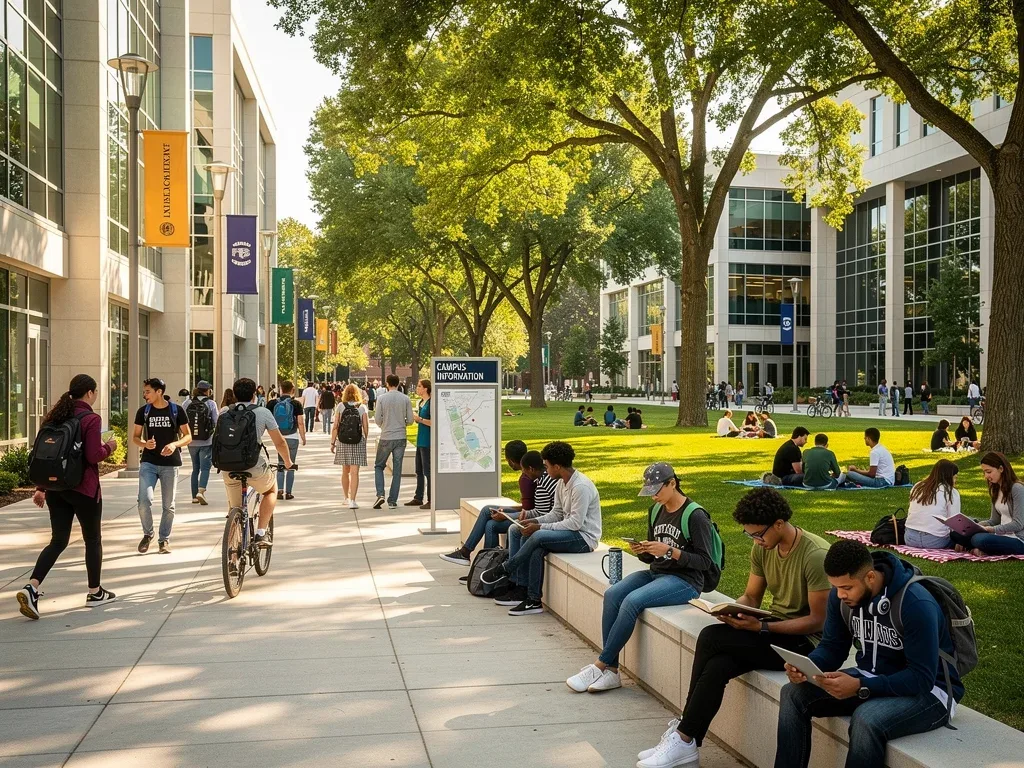
In-person degree programs inherently offer a rich tapestry of social interactions. Daily classroom discussions, group projects, and extracurricular activities foster immediate connections with peers and faculty. Campus life provides a vibrant environment for forming study groups, joining clubs, participating in sports, and attending social events, all of which contribute to a holistic educational experience.
- Direct, face-to-face communication with professors and classmates.
- Spontaneous interactions that lead to unexpected opportunities.
- Access to campus resources like career centers, counseling, and recreational facilities.
- Development of interpersonal skills through real-world social dynamics.
Online programs, by their nature, present a different landscape for social engagement. While traditionally seen as more isolating, advancements in online learning platforms have introduced sophisticated tools for virtual collaboration. Discussion forums, video conferencing, group projects, and virtual social events now allow students to connect with peers globally. However, these interactions often require more intentional effort to initiate and maintain.
Professional Networking Opportunities
Both online and in-person programs offer networking opportunities, though the nature of these can vary. In-person students benefit from direct access to faculty office hours, campus career fairs, and alumni events, often leading to internships and job referrals. The proximity to industry professionals and guest speakers can also be a significant advantage.
Online students, on the other hand, can leverage virtual networking events, professional online communities, and global alumni networks. The diversity of backgrounds among online learners can also expose students to a wider range of industries and geographical locations, potentially broadening their professional horizons. The key difference lies in the mode of interaction: immediate and physical for in-person, intentional and virtual for online. Choosing between these depends on a student’s comfort level with different forms of social engagement and networking.
Learning Styles and Academic Support: Finding Your Fit
The effectiveness of a degree program is deeply intertwined with a student’s individual learning style and the availability of appropriate academic support. When comparing online vs. in-person degree programs, it becomes clear that each modality caters to different preferences and offers distinct forms of assistance. Understanding these differences is vital for maximizing academic success.
Preferred Learning Environments
In-person programs are often ideal for students who thrive in structured environments, benefit from direct instruction, and prefer hands-on learning experiences, especially in fields requiring laboratory work or practical application. The immediate feedback from instructors and the collaborative energy of a physical classroom can be highly motivating for some learners. The routine of attending classes at a specific time and place can also help some students stay on track.
Online programs, conversely, appeal to self-directed learners who prefer to work at their own pace and have the discipline to manage their studies independently. They are well-suited for individuals who benefit from reviewing lectures multiple times, engaging in written discussions, and utilizing a variety of digital resources. The flexibility allows students to create an optimal learning environment tailored to their personal needs, whether it’s a quiet home office or a co-working space.
Academic Support Systems
- In-person Support: Access to physical libraries, tutoring centers, writing labs, and faculty office hours for face-to-face assistance.
- Online Support: Virtual tutoring, online writing centers, extensive digital library resources, and dedicated technical support teams for platform assistance.
- Instructor Interaction: Direct, immediate questions and answers in class for in-person; asynchronous communication via email, forums, or scheduled virtual meetings for online.
- Peer Support: Study groups and collaborative projects in both, but often more organic in in-person settings and more structured in online environments.
Both modalities have made significant strides in providing robust academic support. In-person institutions boast established infrastructure and personalized attention, while online programs have invested heavily in creating comprehensive digital support ecosystems. The key is to assess which type of support best complements your learning style and ensures you have the resources needed to succeed. For instance, a student who struggles with self-motivation might find the built-in structure of an in-person program more conducive to their success, whereas a highly independent learner might flourish with the autonomy of online learning.
Technological Demands and Infrastructure: Bridging the Digital Divide
The year 2026 places a significant emphasis on technology in education, making it a critical factor when comparing online vs. in-person degree programs. While both modalities leverage technology, the demands and infrastructure required differ considerably, impacting accessibility, learning experience, and potential barriers to entry. A clear understanding of these technological aspects is essential for informed decision-making.
Online Learning Infrastructure
For online degree programs, a robust personal technological setup is non-negotiable. This includes reliable high-speed internet access, a functional computer (laptop or desktop) with a webcam and microphone, and proficiency in using various learning management systems (LMS) like Canvas, Blackboard, or Moodle. Students must also be comfortable with video conferencing tools, cloud storage, and digital collaboration platforms.
- Consistent access to reliable internet is paramount.
- Familiarity with diverse software and online tools is expected.
- Technical troubleshooting skills become an asset.
- Potential need for specialized software depending on the field of study.
Universities offering online programs invest heavily in sophisticated digital infrastructure to support their students. This includes secure and user-friendly LMS, extensive online libraries, virtual labs, and dedicated IT support. However, the primary responsibility for maintaining personal equipment and internet connectivity lies with the student. A digital divide can emerge for those without access to adequate technology or reliable internet, posing a significant challenge.
Technology in In-Person Settings
While in-person programs don’t rely solely on individual student technology in the same way, technology is deeply integrated into modern campus life. Classrooms are often equipped with smart boards, projectors, and strong Wi-Fi. Students typically use laptops for note-taking, research, and assignments, and universities provide computer labs, printing services, and IT support on campus. Specialized fields may require access to advanced equipment in labs or studios, which are physically available on campus.
The main difference lies in the dependency: in-person students can often fall back on campus resources if their personal technology fails, whereas online students are almost entirely reliant on their own setup. Both environments demand a level of digital literacy, but online learning pushes students to be more self-sufficient in managing their technological tools. As technology continues to advance, both modalities will likely see even greater integration of AI, virtual reality, and other innovations, further shaping the educational experience.
Career Impact and Employer Perceptions: Valuing Your Degree
The ultimate goal for many pursuing higher education is to enhance their career prospects. Therefore, understanding the career impact and employer perceptions associated with comparing online vs. in-person degree programs is a critical consideration. While stereotypes once existed, the professional world is increasingly recognizing the value of both modalities, especially as online education matures.
Employer Acceptance and Recognition
In 2026, the stigma once attached to online degrees has largely diminished, particularly for programs from reputable institutions. Employers are increasingly focused on the skills, knowledge, and experience a candidate brings, rather than solely on the mode of delivery. Many major corporations now actively recruit from top online programs, recognizing the self-discipline and adaptability often demonstrated by online graduates.
However, the reputation of the institution still plays a significant role. A degree from a well-respected university, whether earned online or in-person, typically carries more weight than one from an unknown or unaccredited institution. The key is to ensure the online program is regionally or nationally accredited and aligns with industry standards.
Skill Development and Practical Experience
- Transferable Skills: Online students often develop strong time management, self-motivation, digital literacy, and independent problem-solving skills, highly valued in today’s workforce.
- Networking: In-person programs offer more organic opportunities for professional networking through campus events, career fairs, and direct faculty connections. Online programs require more intentional virtual networking.
- Internships and Experiential Learning: While in-person students often have easier access to local internships and co-op programs, many online programs are developing robust virtual internship opportunities and project-based learning to bridge this gap.
- Industry-Specific Demands: Certain fields, like healthcare or engineering, may still strongly prefer in-person practical training and hands-on lab experience, though this is evolving with VR and simulation technologies.
The career impact of either degree depends significantly on the individual’s proactivity in seeking out opportunities, building a strong portfolio, and networking effectively. While in-person degrees might offer a more traditional pathway to internships and entry-level positions, online degrees can provide a distinct advantage in terms of flexibility for career changers or those looking to upskill while remaining employed. Both pathways can lead to successful careers, provided the student maximizes the resources and opportunities available within their chosen modality.
The Future Outlook: Hybrid Models and Evolving Education
As we look towards 2026 and beyond, the educational landscape is not static. The rigid distinctions between online and in-person learning are increasingly blurring, giving rise to hybrid models and innovative approaches that seek to capture the best of both worlds. This evolving outlook suggests a future where students have even more tailored options, making the decision of comparing online vs. in-person degree programs a dynamic one.
Rise of Hybrid Learning
Hybrid programs, which combine elements of both online and in-person instruction, are gaining significant traction. These models offer the flexibility of online components (e.g., asynchronous lectures, virtual discussions) with the benefits of face-to-face interaction (e.g., in-person labs, workshops, and seminars). This blend can provide a more balanced educational experience, catering to students who desire both autonomy and community.
- Combines the best features of both modalities.
- Offers increased flexibility without sacrificing direct interaction.
- Allows for deeper engagement with complex topics through varied learning approaches.
- Potentially broader appeal to diverse student populations.
The development of sophisticated educational technologies, including AI-powered learning platforms and virtual reality simulations, will further enhance both online and hybrid experiences. These technologies promise to make remote learning more immersive, interactive, and personalized, bridging some of the experiential gaps that traditionally separated online from in-person education.
Personalized Learning Pathways
The future of education is also moving towards greater personalization. Students will likely have more control over how they learn, what they learn, and at what pace. This could mean modular degree programs, micro-credentials, and stackable certificates that allow individuals to build their own educational journeys, irrespective of a purely online or in-person track. Universities are adapting to provide these flexible pathways, recognizing the diverse needs of modern learners.
Ultimately, the choice between online, in-person, or hybrid will become less about a binary decision and more about selecting the most effective and engaging learning environment for an individual’s specific goals and circumstances. Educators and institutions are continuously innovating to ensure that quality education is accessible and impactful, regardless of the delivery method. This forward-looking perspective suggests that both online and in-person modalities will continue to evolve, offering richer and more integrated learning experiences in the years to come.
| Key Aspect | Description |
|---|---|
| Flexibility | Online programs offer unparalleled scheduling freedom; in-person provides structured routines. |
| Cost | Online often reduces living and commuting expenses; in-person has higher direct and indirect costs. |
| Social Interaction | In-person fosters organic connections; online relies on virtual collaboration and intentional networking. |
| Career Perception | Both modalities are increasingly valued, with employer focus on skills and institutional reputation. |
Frequently Asked Questions About Degree Programs
Are online degrees as respected as in-person degrees in 2026?▼Yes, in 2026, online degrees from accredited institutions are largely respected by employers. The focus has shifted from the mode of delivery to the quality of education, the skills acquired, and the reputation of the university. Many employers value the self-discipline and adaptability often demonstrated by online graduates.
Which type of program is more affordable: online or in-person?▼Online programs often prove more affordable overall. While tuition might be similar, online students save significantly on living expenses, room and board, commuting costs, and can often maintain full-time employment. In-person programs typically incur higher costs due to campus facilities and location-dependent expenses.
How do online students build professional networks?▼Online students build professional networks through virtual networking events, online discussion forums, professional social media platforms, and global alumni networks. Many online programs also incorporate group projects and virtual collaboration tools that foster peer connections and enable professional relationship building, often transcending geographical boundaries.
What are the technological requirements for online learning?▼For online learning, essential technological requirements include a reliable high-speed internet connection, a functional computer with a webcam and microphone, and proficiency in using learning management systems (LMS) and video conferencing tools. Students should also be comfortable with digital collaboration platforms and cloud-based applications for assignments and communication.
Is a hybrid degree program a good compromise?▼Yes, hybrid degree programs are often an excellent compromise, offering the flexibility of online coursework combined with the benefits of in-person interaction. They cater to students who desire some autonomy in their studies but also value face-to-face engagement, campus resources, and a more traditional social experience, blending the strengths of both modalities effectively.
Conclusion
The choice between online and in-person degree programs in 2026 is a deeply personal one, influenced by a myriad of factors including learning style, financial situation, career goals, and lifestyle. This detailed analysis of online vs. in-person degree programs highlights that neither modality is inherently superior; rather, their value lies in their alignment with individual student needs. Online learning offers unparalleled flexibility and often greater affordability, appealing to self-disciplined individuals with external commitments. In-person education provides a rich social environment, immediate interaction, and structured support, ideal for those who thrive in traditional campus settings. As education continues to evolve, with the rise of hybrid models and personalized learning pathways, students have more options than ever to tailor their academic journey. The most effective decision will stem from a thorough self-assessment and a careful consideration of the unique advantages and challenges each path presents, ultimately leading to a fulfilling and successful educational experience.