Medicare Advantage 2026: New Benefits & Coverage Insights
Advertisements
Medicare Advantage Plans 2026 are poised to introduce significant enhancements, offering beneficiaries expanded coverage, innovative benefits, and greater flexibility in healthcare choices to meet evolving needs.
As we look towards the future of healthcare, understanding your options is more crucial than ever. This comprehensive guide delves into Medicare Advantage Plans 2026: A Deep Dive into New Benefits and Coverage Options, providing clarity on what to expect and how these changes might impact your health and financial well-being.
Understanding Medicare Advantage: A Foundation for 2026
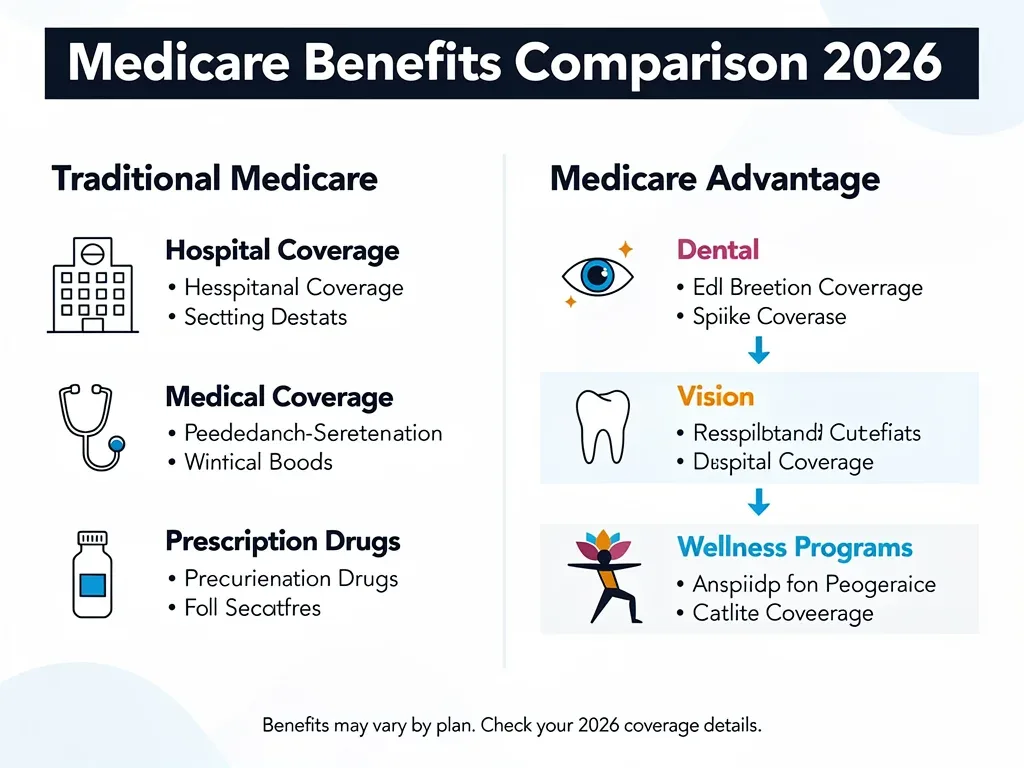
Medicare Advantage, often referred to as Medicare Part C, offers an alternative way to receive your Medicare benefits. These plans are offered by private companies approved by Medicare and must cover all the services that Original Medicare (Part A and Part B) covers. However, many Medicare Advantage Plans go beyond Original Medicare, frequently including additional benefits such as vision, hearing, dental, and prescription drug coverage (Part D).
For 2026, the landscape of Medicare Advantage is expected to continue its evolution, driven by ongoing legislative changes, advancements in healthcare technology, and a growing demand for more personalized and comprehensive care. Staying informed about these foundational aspects is key to navigating the upcoming changes effectively and making choices that align with your individual health needs and preferences.
The Core Components of Medicare Advantage
Medicare Advantage Plans typically bundle Part A (hospital insurance), Part B (medical insurance), and often Part D (prescription drug coverage) into one convenient plan. This integrated approach can simplify healthcare management for many beneficiaries. Furthermore, these plans usually operate within networks of doctors, hospitals, and other providers, which can influence your choice of healthcare professionals.
- Part A Coverage: Includes inpatient hospital stays, skilled nursing facility care, hospice care, and some home health care.
- Part B Coverage: Covers certain doctors’ services, outpatient care, medical supplies, and preventive services.
- Part D Coverage: Provides assistance with the costs of prescription drugs, offering a crucial component for many beneficiaries.
- Additional Benefits: Often includes routine vision, dental, hearing, and wellness programs not covered by Original Medicare.
How Medicare Advantage Differs from Original Medicare
The primary distinction lies in how benefits are administered. With Original Medicare, the government pays directly for the services you receive. With Medicare Advantage, Medicare pays a fixed amount to the private insurance company offering the plan, and that company then administers your benefits. This structure allows for the inclusion of extra benefits and often results in different cost-sharing arrangements, such as copayments and deductibles.
Understanding these fundamental differences is crucial when evaluating your options for 2026, as the new benefits and coverage options will build upon this existing framework. The flexibility offered by private plans allows for innovation and customization, catering to a wider range of beneficiary needs and preferences, which is a significant factor in their growing popularity.
Anticipated New Benefits and Expanded Coverage for 2026
Looking ahead to 2026, Medicare Advantage Plans are expected to introduce a host of new benefits and expand existing coverage options, reflecting a broader trend towards holistic health and preventive care. These enhancements aim to address the diverse needs of an aging population, focusing on areas that significantly impact overall well-being and quality of life.
Beneficiaries can anticipate improvements in areas such as chronic disease management, mental health services, and access to innovative technologies. These changes are not merely incremental; they represent a strategic shift towards more comprehensive and integrated care models, designed to offer greater value and support to enrollees.
Enhanced Chronic Condition Management
One of the most significant areas of expansion for 2026 is likely to be in chronic condition management. Plans are expected to offer more tailored programs for conditions like diabetes, heart disease, and chronic obstructive pulmonary disease (COPD). These programs may include specialized care coordination, remote monitoring devices, and access to dedicated support teams.
- Personalized Care Plans: Development of individualized care strategies to manage specific chronic diseases more effectively.
- Telehealth Integration: Increased use of telehealth for routine check-ups and specialist consultations, making care more accessible.
- Nutritional Counseling: Expanded coverage for dietary advice and meal planning, especially for conditions impacted by diet.
Broader Mental Health and Behavioral Health Services
Recognizing the growing importance of mental health, 2026 plans are anticipated to offer more robust coverage for behavioral health services. This could include increased access to psychotherapy, counseling, and substance abuse treatment, often with reduced out-of-pocket costs. The goal is to integrate mental health care more seamlessly with physical health services.
This expansion is a critical step in addressing the holistic health needs of beneficiaries, ensuring that mental health support is as accessible and comprehensive as physical health care. Plans are likely to focus on preventative mental health services, early intervention, and long-term support for various conditions, reflecting a more empathetic and integrated approach to care.
Innovative Supplemental Benefits
Beyond traditional medical care, Medicare Advantage Plans are known for their supplemental benefits. For 2026, expect to see an expansion of these non-medical benefits, which can significantly improve daily living and overall health. These might include enhanced transportation services, in-home support, and even benefits related to healthy food access.
The emphasis on these innovative supplemental benefits underscores a commitment to addressing social determinants of health, understanding that factors beyond clinical care play a crucial role in a person’s well-being. These offerings provide practical support that can reduce barriers to care and improve quality of life for many beneficiaries.
Navigating the Enrollment Process for 2026
Understanding the enrollment process for Medicare Advantage Plans in 2026 is crucial for securing the best coverage for your needs. While the core enrollment periods remain consistent, staying informed about any potential regulatory adjustments or specific plan deadlines is vital. The annual enrollment period (AEP) is typically the most common time for changes, but other periods may apply depending on your circumstances.
Preparing in advance by reviewing your current plan, assessing your healthcare needs, and researching available options will streamline the process. Don’t wait until the last minute to explore your choices, as making an informed decision requires careful consideration of all factors.
Key Enrollment Periods
The primary enrollment periods for Medicare Advantage are generally standardized, but it’s always wise to confirm specific dates as they approach. The Annual Enrollment Period (AEP), running from October 15th to December 7th each year, is when most beneficiaries can make changes to their Medicare Advantage or Part D plans.
- Initial Enrollment Period (IEP): Occurs when you first become eligible for Medicare, typically around your 65th birthday.
- Annual Enrollment Period (AEP): From October 15 to December 7, allowing changes to existing plans or enrollment in new ones.
- Medicare Advantage Open Enrollment Period (MA OEP): From January 1 to March 31, allowing beneficiaries already in an MA plan to switch to a different MA plan or to Original Medicare.
- Special Enrollment Periods (SEPs): Available under specific circumstances, such as moving to a new service area or losing other coverage.
Tips for a Smooth Enrollment
To ensure a smooth enrollment experience for 2026, begin by gathering all necessary documentation, including your Medicare card and a list of your current prescriptions. Reviewing your healthcare utilization from the past year can also help you identify what coverage features are most important to you.
Consider consulting with a licensed insurance agent or a Medicare counselor. These professionals can provide personalized guidance, help you compare different plans, and clarify any complex aspects of the enrollment process. Their expertise can be invaluable in making a decision that best suits your health and financial situation.
Cost-Sharing and Financial Considerations for 2026
Understanding the financial aspects of Medicare Advantage Plans 2026 is paramount for effective healthcare planning. While many plans offer attractive benefits, it’s essential to scrutinize the associated costs, including premiums, deductibles, copayments, and out-of-pocket maximums. These elements collectively determine your total healthcare expenditures throughout the year.
The financial structure of Medicare Advantage plans can vary significantly between providers and plan types. Beneficiaries should compare these costs carefully, considering their anticipated healthcare needs and financial comfort level to avoid unexpected expenses.
Premiums and Deductibles
Many Medicare Advantage Plans offer low or even $0 monthly premiums beyond your Part B premium. However, a $0 premium plan doesn’t mean free healthcare. You’ll still be responsible for deductibles, copayments, and coinsurance for services received. Some plans may have a separate deductible for prescription drugs, so it’s crucial to understand all potential costs.
Comparing premiums and deductibles across different plans is a foundational step in your decision-making process. A plan with a higher premium might offer lower out-of-pocket costs for services, while a lower premium plan might involve higher deductibles or copayments. It’s about finding the balance that aligns with your financial strategy and health utilization.
Copayments and Coinsurance
Copayments are fixed amounts you pay for covered services, such as a doctor’s visit or a prescription refill. Coinsurance is a percentage of the cost of a covered service that you pay after you’ve met your deductible. Both of these contribute to your overall out-of-pocket expenses and can vary widely by plan and service type.
- Doctor Visits: Typically involve a fixed copayment for primary care and specialist visits.
- Hospital Stays: May have a daily copayment for a certain number of days.
- Prescription Drugs: Often tiered copayments, with lower costs for generic drugs and higher costs for brand-name or specialty drugs.
- Emergency Care: Usually a copayment for emergency room visits, which may be waived if admitted to the hospital.
Out-of-Pocket Maximums
A significant advantage of Medicare Advantage Plans is the annual out-of-pocket maximum. This is the most you’ll have to pay for covered services in a year. Once you reach this limit, your plan pays 100% of the cost for covered services for the remainder of the year. This feature provides a critical safety net, protecting beneficiaries from catastrophic healthcare costs.
Understanding the out-of-pocket maximum is vital, especially for those with chronic conditions or anticipated high healthcare usage. It offers peace of mind, knowing there’s a cap on your annual medical expenses, which can be a deciding factor when choosing between different plan options for 2026.
Impact of Legislative Changes on 2026 Plans
The landscape of Medicare Advantage is continually shaped by legislative actions and regulatory updates. As we approach 2026, it’s anticipated that several key legislative changes will influence the structure, benefits, and financial aspects of these plans. These changes often stem from efforts to improve beneficiary access, enhance plan quality, and control healthcare costs.
Staying informed about these potential legislative shifts is important, as they can directly affect your coverage options and out-of-pocket expenses. Government agencies, particularly the Centers for Medicare & Medicaid Services (CMS), play a pivotal role in implementing and overseeing these regulations.
Potential Policy Adjustments
Future legislative changes could focus on expanding the types of supplemental benefits that Medicare Advantage plans are permitted to offer, particularly those related to social determinants of health. There may also be adjustments to risk adjustment models, which could influence how plans are compensated and, consequently, the benefits they provide.
Another area of potential adjustment involves prescription drug pricing and coverage. Efforts to lower drug costs for beneficiaries could lead to new requirements for Part D coverage within Medicare Advantage Plans, potentially impacting formularies and cost-sharing structures. These policy adjustments are often designed to make healthcare more affordable and accessible.
Emphasis on Value-Based Care
Legislative trends continue to push for value-based care models, where providers are rewarded for patient outcomes rather than the volume of services. This shift is likely to be reflected in 2026 Medicare Advantage Plans, with an increased focus on preventive care, chronic disease management, and care coordination to improve health outcomes and reduce overall costs.
This emphasis on value-based care encourages plans to invest in programs that keep beneficiaries healthy and out of the hospital, such as wellness initiatives, health coaching, and proactive management of chronic conditions. Beneficiaries can expect to see more integrated care teams and enhanced support for managing their health holistically.
Consumer Protections and Transparency
Expect continued legislative efforts to strengthen consumer protections and enhance transparency within the Medicare Advantage market. This could include stricter rules around marketing practices, clearer communication of plan benefits and costs, and improved mechanisms for beneficiaries to appeal coverage decisions.
Increased transparency empowers beneficiaries to make more informed choices, ensuring they fully understand the terms and conditions of their plans. These protections are vital for building trust and ensuring that the Medicare Advantage program serves the best interests of its enrollees effectively.
Comparing Plan Options: Finding the Right Fit for 2026
Choosing the right Medicare Advantage Plan for 2026 requires careful comparison and consideration of your individual needs. With a multitude of plans available, each offering different benefits, networks, and cost structures, taking the time to evaluate your options thoroughly is essential. The goal is to find a plan that not only covers your medical necessities but also aligns with your lifestyle and financial preferences.
A personalized approach to plan comparison will yield the best results. What works for one person may not work for another, highlighting the importance of understanding your own health priorities and budget.
Assessing Your Healthcare Needs
Before diving into plan specifics, take stock of your current and anticipated healthcare needs. Consider your prescription drug requirements, preferred doctors and specialists, and any chronic conditions that require ongoing management. If you travel frequently, a plan with a broader network or out-of-area coverage might be beneficial.
- Prescription Drug Needs: Check if your medications are on the plan’s formulary and what tier they fall under for cost-sharing.
- Doctor & Hospital Networks: Ensure your preferred healthcare providers are in the plan’s network to avoid higher out-of-pocket costs.
- Specialty Care: Evaluate coverage for specialists you regularly see, such as cardiologists or endocrinologists.
- Supplemental Benefits: Consider if benefits like dental, vision, hearing, or fitness programs are important to you.
Utilizing Comparison Tools and Resources
Several resources are available to help you compare Medicare Advantage Plans. The official Medicare website (Medicare.gov) offers a plan finder tool that allows you to compare plans based on your zip code, prescriptions, and preferred providers. Independent brokers and state health insurance assistance programs (SHIPs) can also provide invaluable, unbiased guidance.

Don’t hesitate to reach out to plan providers directly to ask specific questions or request detailed benefit summaries. The more information you gather, the more confident you’ll be in your decision. Remember, the best plan is the one that best fits your unique health and financial situation.
The Future of Medicare Advantage: Trends Beyond 2026
The evolution of Medicare Advantage Plans 2026 is not an endpoint but rather a continuous journey towards more integrated, personalized, and value-driven healthcare. Beyond 2026, several key trends are expected to further shape the Medicare Advantage landscape, reflecting broader shifts in healthcare delivery, technology, and consumer expectations. These trends suggest a future where plans become even more responsive to individual needs.
Anticipate continued innovation in how care is delivered and managed, with an increasing emphasis on preventive health, digital health solutions, and addressing the comprehensive well-being of beneficiaries.
Increased Integration of Digital Health
Digital health solutions, such as telemedicine, remote monitoring, and AI-powered diagnostic tools, are becoming increasingly integral to healthcare. Beyond 2026, Medicare Advantage Plans are likely to further integrate these technologies, making healthcare more accessible, efficient, and personalized. This could mean more virtual primary care, proactive health alerts, and digital platforms for managing chronic conditions.
The convenience and effectiveness of digital health are undeniable, especially for beneficiaries in rural areas or those with mobility challenges. Plans will likely invest in robust digital infrastructure and user-friendly platforms to enhance the member experience and improve health outcomes.
Focus on Social Determinants of Health
There’s a growing recognition that factors like housing, food security, and transportation significantly impact health outcomes. Future Medicare Advantage Plans are expected to deepen their focus on addressing these social determinants of health, offering expanded benefits and partnerships aimed at supporting beneficiaries’ overall well-being beyond traditional medical care.
This holistic approach acknowledges that health is not just about medical treatment but also about the environmental and social context in which people live. Expect to see more innovative programs designed to connect beneficiaries with community resources and support services that address these fundamental needs.
Personalized and Preventative Care Models
The trend towards personalized and preventative care will undoubtedly continue to accelerate. Future Medicare Advantage Plans will likely leverage advanced data analytics and artificial intelligence to offer highly customized care plans, risk assessments, and preventive interventions. The goal is to move from reactive treatment to proactive health management.
This shift empowers beneficiaries to take a more active role in managing their health, with plans providing tools and resources tailored to their unique genetic predispositions, lifestyle, and health goals. The future of Medicare Advantage is geared towards keeping people healthier, longer, and with a higher quality of life.
| Key Aspect | Brief Description |
|---|---|
| New Benefits | Expect expanded coverage for chronic condition management, mental health, and innovative supplemental services. |
| Enrollment Periods | Key periods like AEP (Oct 15 – Dec 7) remain crucial for plan changes and new enrollments. |
| Cost Considerations | Analyze premiums, deductibles, copayments, and out-of-pocket maximums for financial planning. |
| Future Trends | Increased digital health integration, focus on social determinants, and personalized care models are anticipated. |
Frequently Asked Questions About Medicare Advantage 2026
What new benefits can I expect in Medicare Advantage Plans for 2026?▼For 2026, anticipate expanded coverage for chronic disease management, enhanced mental health services, and innovative supplemental benefits such as improved transportation and in-home support. These additions aim to provide more holistic and personalized care for beneficiaries, addressing a wider range of health and well-being needs.
How do I enroll in a Medicare Advantage Plan for 2026?▼Enrollment typically occurs during the Annual Enrollment Period (AEP) from October 15 to December 7. You can also enroll during your Initial Enrollment Period or Special Enrollment Periods if you qualify. Utilize resources like Medicare.gov or consult a licensed agent to compare plans and complete your enrollment effectively.
Will my current doctors be covered by 2026 Medicare Advantage Plans?▼It’s crucial to verify if your preferred doctors and specialists are part of the network for any Medicare Advantage Plan you’re considering for 2026. Provider networks can change annually, so always confirm directly with the plan or your healthcare providers to ensure continued coverage and avoid unexpected out-of-pocket costs.
What financial considerations should I keep in mind for 2026 plans?▼When evaluating 2026 plans, carefully review premiums, deductibles, copayments, and the annual out-of-pocket maximum. Some plans may offer $0 premiums but could have higher cost-sharing for services. Understanding these financial components is vital for budgeting your healthcare expenses and choosing a plan that fits your financial situation.
How will legislative changes impact Medicare Advantage in 2026?▼Legislative changes in 2026 may influence the types of supplemental benefits offered, prescription drug coverage, and the overall emphasis on value-based care. These changes aim to improve access, quality, and affordability. Staying updated on announcements from CMS and other regulatory bodies will provide insight into specific impacts on plan offerings.
Conclusion
The landscape of Medicare Advantage Plans for 2026 is shaping up to be dynamic and beneficial for beneficiaries, offering expanded coverage and innovative benefits designed to meet evolving healthcare needs. From enhanced chronic disease management to broader mental health services and a continued focus on holistic well-being, these plans aim to provide comprehensive and personalized care. Navigating the enrollment process, understanding financial implications, and staying informed about legislative changes are crucial steps in selecting the plan that best fits your individual circumstances. As healthcare continues to evolve, Medicare Advantage remains a vital option for millions of Americans seeking integrated and value-driven health coverage.