STEM Education in 2026: Future Curricula & Career Paths
Advertisements
The future of STEM education in 2026 will be characterized by dynamic curricula, integrating AI, data science, and sustainability to prepare students for evolving career prospects and a technologically advanced world.
The landscape of education is constantly evolving, and nowhere is this more apparent than in STEM fields. By 2026, the way we approach future STEM education will have transformed significantly, driven by rapid technological advancements and changing global demands. This article explores the innovative curricula and promising career prospects that will define STEM learning in the coming years.
The Shifting Paradigms of STEM Education
The traditional model of STEM education, while foundational, is no longer sufficient to meet the challenges and opportunities of the 21st century. By 2026, we anticipate a profound shift towards more interdisciplinary, applied, and adaptive learning experiences. This evolution is not merely about updating textbooks; it’s about fundamentally rethinking how we prepare students for a world where technology and science are inextricably linked to every aspect of life.
Educators are increasingly recognizing the need to move beyond siloed subjects, fostering connections between disciplines to create a more holistic understanding of complex problems. This approach encourages critical thinking and problem-solving skills that are highly valued in the modern workforce. The emphasis will be on practical application, allowing students to engage with real-world scenarios rather than just theoretical concepts.
Interdisciplinary Learning Approaches
One of the most significant shifts will be the integration of various STEM disciplines. Instead of separate courses in biology, chemistry, and physics, students will encounter curricula that blend these subjects to address grand challenges like climate change, disease prevention, and sustainable energy.
- Project-Based Learning: Students will tackle real-world problems through long-term projects, fostering collaboration and practical skill development.
- Cross-Disciplinary Modules: Curricula will feature modules that intentionally combine elements from different STEM areas, such as bio-engineering or computational physics.
- Industry Partnerships: Schools will increasingly collaborate with businesses to provide students with hands-on experience and exposure to current industry practices.
The goal is to cultivate a generation of innovators who can think flexibly across different domains, understanding that solutions to complex problems rarely fit neatly into a single academic category. This interdisciplinary mindset is crucial for navigating the multifaceted challenges of our globalized society.
Ultimately, the shifting paradigms in STEM education aim to create a more dynamic and relevant learning environment. By focusing on adaptability, real-world application, and interdisciplinary thinking, educational institutions will better prepare students for the demands of the future workforce and equip them with the skills needed to thrive in a rapidly changing world. This comprehensive approach ensures that graduates are not just knowledgeable, but also innovative and capable problem-solvers.
Emerging Technologies Shaping Curricula
The rapid pace of technological innovation is a primary driver behind the transformation of STEM curricula. Technologies that were once considered futuristic are now becoming mainstream, necessitating their integration into educational programs. By 2026, subjects like Artificial Intelligence (AI), machine learning, data science, and quantum computing will no longer be niche topics but core components of STEM learning.
These emerging technologies are not just tools; they are fundamental shifts in how we understand and interact with the world. Therefore, understanding their principles and applications will be essential for any student pursuing a STEM career. Educational institutions are already beginning to adapt, developing new courses and programs to keep pace with these advancements.
Artificial Intelligence and Machine Learning Integration
AI and machine learning are poised to revolutionize numerous industries, from healthcare to finance. Consequently, future STEM education will place a strong emphasis on understanding these concepts.
- Ethical AI: Students will learn about the societal implications and ethical considerations of AI development and deployment.
- AI for Problem Solving: Curricula will focus on using AI tools and techniques to solve complex problems in various fields, such as optimizing logistics or predicting climate patterns.
- Foundations of Machine Learning: Core principles of algorithms, data processing, and model training will be introduced at earlier stages of education.
Beyond AI, the proliferation of data in every sector means that data science will become an indispensable skill. Students will need to learn how to collect, analyze, interpret, and visualize large datasets to extract meaningful insights. This includes proficiency in statistical analysis, programming languages like Python and R, and various data visualization tools.
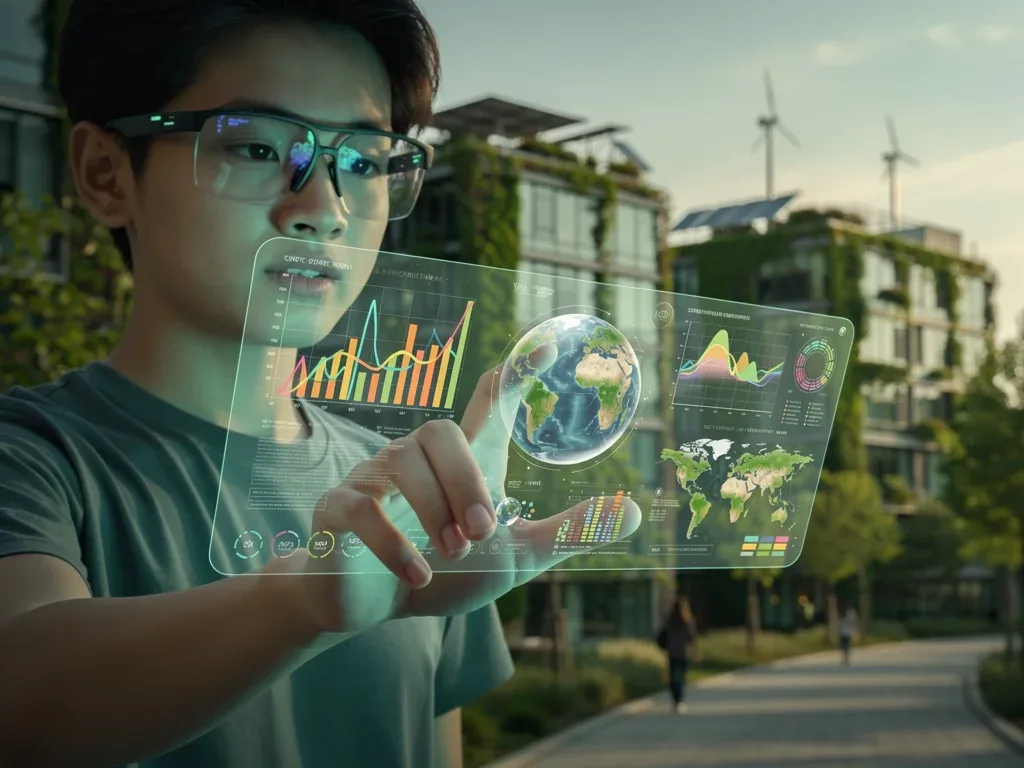
Furthermore, the nascent field of quantum computing, though still in its early stages, holds immense potential. While not yet a mainstream subject, foundational concepts may begin to appear in advanced STEM programs, preparing a select group of students for this cutting-edge domain. The integration of these technologies into curricula ensures that students are equipped with the knowledge and skills necessary to contribute to and lead in the technologically advanced world of 2026 and beyond.
Sustainability and Green Technologies in STEM
As global concerns about climate change and environmental degradation intensify, sustainability and green technologies are becoming central pillars of STEM education. By 2026, environmental literacy will be as crucial as digital literacy, with curricula designed to foster innovative solutions for a more sustainable future. This shift reflects a growing recognition that STEM professionals have a critical role to play in addressing ecological challenges.
The integration of sustainability is not just about environmental science; it permeates all STEM disciplines. Engineers will design eco-friendly products, chemists will develop sustainable materials, and data scientists will analyze environmental impact. This holistic approach ensures that students understand the interconnectedness of technological advancement and ecological responsibility.
Curricula Focused on Environmental Impact
Educational programs will increasingly feature modules and projects dedicated to understanding and mitigating environmental impact. This includes topics like renewable energy, waste management, and sustainable agriculture.
- Renewable Energy Systems: Students will study solar, wind, and geothermal energy, including their design, implementation, and efficiency.
- Circular Economy Principles: Emphasis will be placed on designing products and systems that minimize waste and maximize resource utilization.
- Environmental Data Analysis: Using data science techniques to monitor environmental changes, predict ecological trends, and inform policy decisions.
Moreover, the development of green technologies will be a key area of focus. This involves research and innovation in areas such as carbon capture, biodegradable materials, and sustainable manufacturing processes. Students will be encouraged to think creatively about how technology can be harnessed to solve pressing environmental problems, transforming challenges into opportunities for innovation.
The emphasis on sustainability in STEM education prepares students not only for emerging green job markets but also instills a sense of global citizenship and responsibility. By equipping them with the tools and knowledge to develop sustainable solutions, educational institutions contribute to building a more resilient and environmentally conscious society. This ensures that the next generation of STEM leaders is well-prepared to tackle the most critical environmental issues of our time.
Personalized Learning and Adaptive Pathways
The one-size-fits-all approach to education is steadily giving way to more personalized and adaptive learning pathways. By 2026, leveraging technology to tailor educational experiences to individual student needs and learning styles will be a cornerstone of STEM education. This personalization aims to maximize engagement, optimize learning outcomes, and cater to the diverse aptitudes within the student population.
Adaptive learning systems, powered by AI and machine learning, will analyze student performance and preferences to recommend customized content, pacing, and instructional strategies. This allows students to progress at their own speed, focusing more on areas where they need additional support or accelerating through concepts they quickly grasp. The goal is to make learning more efficient and effective for every individual.
Technology-Driven Customization
Various technological tools will facilitate personalized learning experiences, making education more dynamic and responsive.
- AI-Powered Tutors: Intelligent tutoring systems will provide immediate feedback and personalized guidance, acting as a supplement to human instructors.
- Virtual and Augmented Reality (VR/AR): Immersive VR/AR environments will offer interactive simulations and virtual labs, allowing students to explore complex concepts and practice skills in a safe, controlled setting.
- Data Analytics for Progress Tracking: Educational platforms will use data to track student progress, identify learning gaps, and suggest targeted interventions or advanced challenges.
Furthermore, personalized learning extends beyond just content delivery. It also involves offering flexible pathways for students to pursue their interests within STEM. This could mean allowing for more elective choices, interdisciplinary minors, or project-based learning opportunities that align with a student’s specific passions. The ability to customize their educational journey fosters greater intrinsic motivation and deeper learning.
The shift towards personalized learning and adaptive pathways in STEM education ensures that every student can reach their full potential. By providing tailored support and diverse opportunities, educational institutions are creating a more inclusive and effective learning environment. This approach acknowledges that not all students learn in the same way, and by adapting to individual needs, it prepares a more diverse and skilled workforce for the future.
Soft Skills and Ethical Considerations in STEM
While technical proficiency remains paramount in STEM, the future workforce of 2026 will increasingly demand a strong foundation in soft skills and a deep understanding of ethical considerations. The complexity of modern problems and the collaborative nature of innovation necessitate skills beyond mere scientific knowledge. Employers are seeking individuals who can communicate effectively, work in teams, think critically, and navigate the ethical dilemmas posed by new technologies.
Integrating soft skills and ethical frameworks into STEM curricula ensures that graduates are not only technically capable but also responsible and effective contributors to society. This holistic development prepares them for leadership roles and enables them to address the broader societal impact of their work.
Cultivating Essential Non-Technical Skills
Educational programs will place a greater emphasis on developing soft skills that complement technical expertise.
- Critical Thinking and Problem-Solving: Encouraging students to analyze information, evaluate arguments, and develop innovative solutions to complex problems.
- Communication and Collaboration: Fostering teamwork, presentation skills, and the ability to articulate complex technical concepts to diverse audiences.
- Creativity and Adaptability: Promoting innovative thinking and the capacity to adjust to new challenges and technologies.
Alongside soft skills, ethical considerations will become a core component of STEM education. As technologies like AI, genetic engineering, and data analytics advance, the ethical implications of their development and application become more pronounced. Students will be taught to critically evaluate the moral dimensions of scientific and technological progress, ensuring they make responsible decisions in their future careers.

This includes discussions on data privacy, algorithmic bias, environmental justice, and the responsible use of powerful technologies. By integrating these ethical frameworks, STEM education aims to produce professionals who are not only technically brilliant but also ethically grounded, capable of leading responsible innovation. This balanced approach ensures that future STEM leaders are well-equipped to navigate the complex interplay between technology, society, and ethics.
Career Prospects and Industry Demands by 2026
The evolving landscape of STEM education directly correlates with significant shifts in career prospects and industry demands by 2026. As curricula adapt to incorporate new technologies and interdisciplinary approaches, the job market will similarly transform, creating new roles and requiring advanced skill sets. Understanding these emerging demands is crucial for students planning their academic and professional paths.
The demand for STEM professionals is projected to continue growing, particularly in areas related to digital transformation, sustainability, and advanced manufacturing. Companies are actively seeking individuals who possess not only technical expertise but also the ability to innovate, solve complex problems, and adapt to rapidly changing technological environments. This creates a dynamic and competitive job market for skilled graduates.
High-Demand STEM Roles
Several specific career fields are expected to experience substantial growth and demand for qualified STEM professionals.
- AI/Machine Learning Engineers: Specialists in developing and deploying AI models across various industries.
- Data Scientists and Analysts: Professionals skilled in interpreting large datasets to inform business decisions and drive innovation.
- Renewable Energy Engineers: Experts in designing, developing, and maintaining sustainable energy systems.
- Bioinformaticians: Bridging biology and computer science to analyze complex biological data, particularly in personalized medicine and genomics.
- Cybersecurity Analysts: Protecting digital systems and data from increasingly sophisticated threats.
Beyond these specific roles, there will be a general demand for STEM graduates with strong interdisciplinary skills. Employers value individuals who can connect different fields of knowledge, such as an engineer who also understands the economic implications of their designs, or a scientist who can effectively communicate their findings to a non-technical audience. The ability to work in diverse teams and across different functional areas will be highly prized.
Moreover, the concept of continuous learning will become even more critical. The rapid pace of technological change means that STEM professionals will need to regularly update their skills and knowledge throughout their careers. Educational institutions, therefore, have a role not only in initial education but also in providing lifelong learning opportunities through certifications, micro-credentials, and advanced degree programs. This ongoing development ensures that the workforce remains agile and responsive to future industry needs.
Preparing for the Future of STEM: A Student’s Guide
For students aspiring to thrive in the dynamic world of STEM by 2026, proactive preparation is key. The educational landscape and career opportunities are evolving rapidly, necessitating a strategic approach to learning and skill development. This section provides guidance on how to best position oneself for success in the future of STEM, focusing on both academic choices and personal development.
It’s not just about choosing the right major; it’s about cultivating a mindset of continuous learning, curiosity, and adaptability. Students should seek out experiences that push them beyond traditional classroom settings and expose them to real-world applications of STEM principles. This holistic preparation will be invaluable in navigating the complexities of future career paths.
Strategic Academic and Extracurricular Choices
Making informed decisions about coursework and extracurricular activities can significantly enhance a student’s readiness for future STEM careers.
- Embrace Interdisciplinary Studies: Seek out courses that combine different STEM fields or integrate STEM with humanities and arts (STEAM).
- Develop Programming Skills: Proficiency in languages like Python, R, and Java will be foundational for many emerging roles.
- Participate in Projects and Internships: Gaining practical experience through research projects, coding challenges, or industry internships is invaluable.
- Engage with Emerging Technologies: Explore workshops or online courses in AI, data science, cybersecurity, and cloud computing.
Beyond formal education, students should actively cultivate essential soft skills. Joining debate clubs, participating in team sports, or engaging in community service can significantly enhance communication, collaboration, and leadership abilities. These experiences provide a well-rounded skill set that is highly attractive to future employers.
Furthermore, staying informed about current trends and advancements in STEM is crucial. Regularly reading scientific journals, tech blogs, and industry reports can provide insights into emerging fields and in-demand skills. Networking with professionals in desired fields through informational interviews or industry events can also open doors to mentorship and future opportunities. By taking a proactive and comprehensive approach, students can effectively prepare themselves for a rewarding and impactful career in the future of STEM.
| Key Aspect | Description in 2026 STEM Education |
|---|---|
| Curricula Focus | Interdisciplinary, project-based learning integrating AI, data science, and sustainability. |
| Emerging Technologies | Core integration of AI, machine learning, data science, and an introduction to quantum computing. |
| Soft Skills Importance | Critical thinking, collaboration, communication, and ethical reasoning are highly emphasized. |
| Career Prospects | High demand for AI engineers, data scientists, renewable energy specialists, and cybersecurity experts. |
Frequently Asked Questions About Future STEM Education
What are the key technological trends influencing STEM education by 2026?▼By 2026, Artificial Intelligence (AI), machine learning, data science, and virtual/augmented reality (VR/AR) are the primary technological trends shaping STEM education. These technologies will be integrated into curricula to equip students with practical skills for future industries, moving beyond theoretical understanding to hands-on application and ethical considerations.
How will STEM curricula adapt to emphasize sustainability and green technologies?▼STEM curricula will increasingly incorporate sustainability and green technologies through interdisciplinary projects, focusing on renewable energy, circular economy principles, and environmental data analysis. The aim is to foster innovation in eco-friendly solutions and instill a sense of environmental responsibility among future STEM professionals, preparing them for a growing green job market.
What soft skills will be most crucial for STEM graduates in 2026?▼In 2026, critical thinking, problem-solving, communication, collaboration, creativity, and adaptability will be paramount for STEM graduates. These soft skills are essential for navigating complex projects, working in diverse teams, and effectively communicating technical information. Ethical reasoning will also be crucial for responsible technological development and application.
What new career opportunities are expected to emerge in STEM by 2026?▼Emerging career opportunities by 2026 include AI/machine learning engineers, data scientists, renewable energy engineers, bioinformaticians, and cybersecurity analysts. These roles reflect the increasing demand for specialized skills in advanced technologies and sustainable practices. Interdisciplinary professionals capable of bridging different fields will also be highly sought after.
How can students best prepare for the future of STEM education and careers?▼Students can best prepare by embracing interdisciplinary studies, developing strong programming skills, participating in projects and internships, and engaging with emerging technologies like AI and data science. Cultivating soft skills through extracurricular activities and staying informed about industry trends are also vital for a successful and impactful career in future STEM fields.
Conclusion
The future of STEM education in 2026 is poised for a transformative period, driven by technological innovation, global challenges, and evolving industry demands. Curricula will become more dynamic, interdisciplinary, and personalized, integrating cutting-edge fields like AI, data science, and sustainability. This shift aims to equip students with not only robust technical skills but also essential soft skills and a strong ethical compass, preparing them for a diverse array of promising career opportunities. By fostering adaptability, critical thinking, and a commitment to lifelong learning, educational institutions are laying the groundwork for a generation of innovators ready to tackle the complex problems of tomorrow and shape a more sustainable and technologically advanced future.