2026 IRS Tax Brackets: Optimize Your Income Tax Planning
Advertisements
Understanding the new 2026 IRS tax brackets is crucial for effective income tax planning, allowing individuals and businesses to strategically adjust their finances to minimize liabilities and maximize savings.
As the calendar pages turn, taxpayers across the United States are looking ahead to significant changes, and understanding how to navigate the 2026 IRS tax brackets is paramount for effective financial health. This comprehensive guide aims to illuminate the upcoming adjustments, offering practical strategies to optimize your income tax planning and secure your financial future.
Understanding the Basics of IRS Tax Brackets
Before diving into the specifics of 2026, it’s essential to grasp the fundamental concept of IRS tax brackets. These brackets represent a progressive tax system, meaning different portions of your income are taxed at different rates. The United States employs a marginal tax rate system, where your income is divided into segments, and each segment is taxed at a progressively higher rate.
This system ensures that those with higher incomes pay a larger percentage of their earnings in taxes, but it’s often misunderstood. Many believe that if they move into a higher tax bracket, all of their income will be taxed at that new, higher rate. This is a common misconception; only the portion of their income that falls within the higher bracket is subject to the increased rate, while lower portions remain taxed at their respective lower rates.
How Marginal Tax Rates Work
The marginal tax rate refers to the tax rate applied to your last dollar of taxable income. It’s crucial for planning because it dictates the tax impact of any additional income you earn. Understanding your marginal rate helps in making informed decisions about bonuses, investments, and other financial activities.
- Income Segmentation: Your total taxable income is split into segments.
- Progressive Rates: Each segment is taxed at a specific rate, increasing with income.
- Effective vs. Marginal Rate: Your effective tax rate is the total tax paid divided by total income, usually lower than your marginal rate.
In essence, the tax bracket system is designed to create a fair and equitable distribution of the tax burden. Familiarity with these basics provides a solid foundation for understanding the potential shifts in the 2026 tax landscape and how they might personally affect your financial situation.
Anticipated Changes to 2026 IRS Tax Brackets
The year 2026 is poised to bring significant changes to the IRS tax brackets, primarily due to the expiration of certain provisions from the Tax Cuts and Jobs Act (TCJA) of 2017. While the exact figures and full scope of these changes are still subject to potential legislative adjustments, the general expectation is a reversion to pre-TCJA tax rates and bracket structures, albeit with inflation adjustments.
This reversion could mean higher tax rates for many individuals, particularly those in higher income brackets, and a potential recalibration of standard deductions and other tax benefits. Understanding these anticipated shifts is the first step in proactive tax planning, allowing you to prepare for the impact on your disposable income and investment strategies.
Key Areas of Impact
The expiration of the TCJA provisions will not only affect the tax brackets themselves but also a range of other tax-related elements. These include standard deductions, personal exemptions (which were effectively eliminated under TCJA and may return), and various itemized deduction limitations. The interplay of these factors can significantly alter your overall tax liability.
- Tax Rate Adjustments: Expected increases in marginal tax rates across several income tiers.
- Standard Deduction Changes: Potential decreases in the standard deduction amounts, influencing whether to itemize.
- Personal Exemptions: Reintroduction of personal exemptions, adding another layer to taxable income calculations.
Staying informed about these potential changes is critical. While legislative action could still modify these outcomes, planning based on the current trajectory is a prudent approach for any forward-thinking taxpayer. The goal is to minimize surprises and maximize your financial preparedness for the new tax environment.
Strategies for Income Tax Planning in 2026
Navigating the evolving tax landscape of 2026 requires a proactive and strategic approach to income tax planning. With anticipated changes to tax brackets and deductions, individuals and businesses must re-evaluate their financial strategies to optimize their tax position. This involves a combination of smart investment decisions, effective use of deductions, and understanding the timing of income and expenses.
One of the most effective strategies is to engage in tax-loss harvesting, especially if you have investments that have declined in value. By selling these investments, you can offset capital gains and even a portion of your ordinary income. Another crucial strategy involves maximizing contributions to tax-advantaged retirement accounts, which can reduce your taxable income in the present and provide tax-deferred growth for the future.
Optimizing Deductions and Credits
With potential changes to standard deductions, it becomes even more important to assess whether itemizing deductions will be more beneficial. Keep meticulous records of all eligible expenses, including medical costs, state and local taxes (SALT), mortgage interest, and charitable contributions. Furthermore, explore all available tax credits, as credits directly reduce your tax liability dollar-for-dollar, unlike deductions which only reduce taxable income.
- Maximize Retirement Contributions: Contribute the maximum allowable to 401(k)s, IRAs, and HSAs to reduce current taxable income.
- Strategic Gifting: Utilize annual gift tax exclusions to reduce the size of your taxable estate.
- Energy-Efficient Upgrades: Invest in home improvements that qualify for energy tax credits.
- Education Savings: Leverage 529 plans or other education savings vehicles for tax benefits.
By implementing these strategies, you can effectively reduce your taxable income and overall tax burden, ensuring you are well-prepared for the 2026 tax year. A comprehensive review of your financial situation and careful planning are key to success.
Impact on Different Income Levels
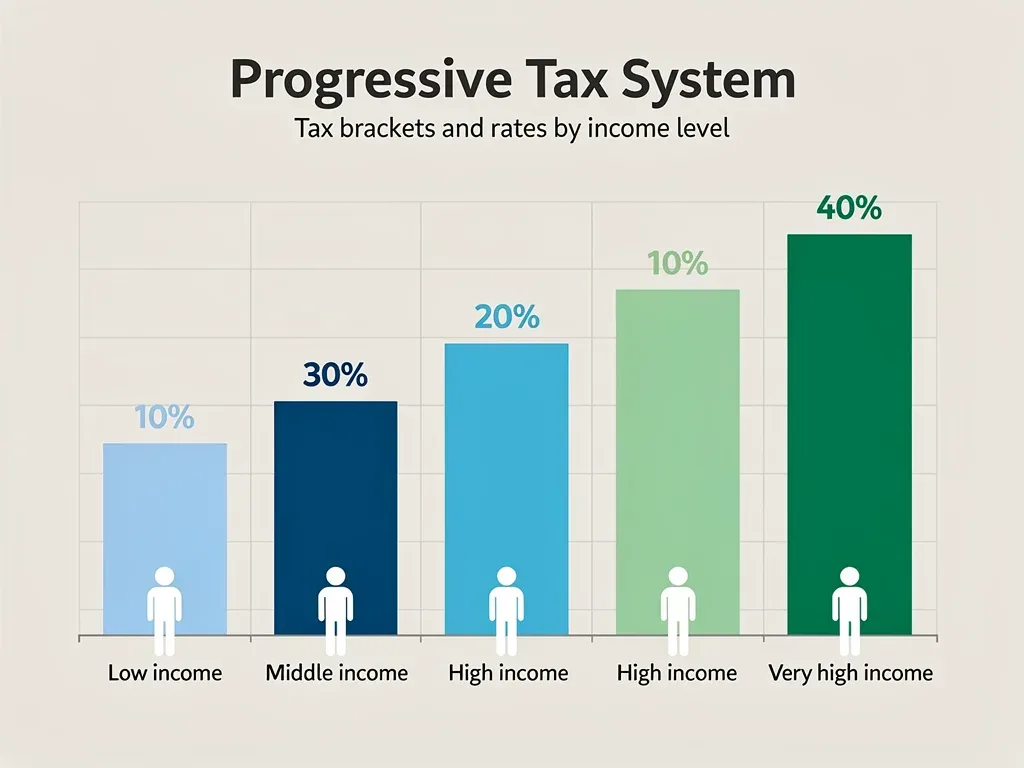
The anticipated changes to the 2026 IRS tax brackets will not affect all income levels uniformly. While the expiration of TCJA provisions generally points towards higher tax liabilities, the degree of impact will vary significantly depending on an individual’s or household’s specific income tier. Understanding these differential impacts is crucial for tailoring effective tax planning strategies.
Lower and middle-income earners might experience less drastic changes compared to higher-income individuals, although the reduction in standard deductions could still lead to increased taxable income for some. Conversely, higher-income taxpayers are likely to face the most substantial shifts, potentially seeing their marginal tax rates revert to higher pre-TCJA levels, affecting their investment and wealth management strategies significantly.
Tailoring Strategies by Income Bracket
For those in lower income brackets, focusing on tax credits like the Earned Income Tax Credit (EITC) and Child Tax Credit (CTC) will remain paramount. These credits can provide substantial relief and even result in refunds. For middle-income earners, maximizing contributions to retirement accounts and utilizing deductions for education or homeownership will be key.
High-income individuals, however, will need to explore more sophisticated strategies. This could include tax-efficient investment vehicles, charitable giving strategies like Donor-Advised Funds (DAFs), and carefully managing capital gains and losses. The goal is to mitigate the impact of potentially higher marginal rates and ensure wealth preservation.
- Lower Income: Focus on refundable credits and basic deductions.
- Middle Income: Maximize retirement savings and itemized deductions if advantageous.
- Higher Income: Explore advanced strategies like DAFs, tax-efficient investments, and estate planning.
Each income level requires a customized approach to tax planning. A one-size-fits-all strategy will likely fall short in the complex 2026 tax environment. Personalized planning, ideally with professional guidance, will be essential to navigate these changes effectively.
The Role of Inflation and Economic Factors
Beyond legislative changes, inflation and broader economic factors play a critical role in shaping the 2026 IRS tax brackets and their practical implications. The IRS typically adjusts tax brackets, standard deductions, and various other tax provisions annually to account for inflation, a process known as ‘indexing.’ This indexing is designed to prevent ‘bracket creep,’ where inflation pushes taxpayers into higher tax brackets even if their real purchasing power hasn’t increased.
However, the specific inflation metrics used by the IRS and the rate at which inflation occurs can significantly influence the actual bracket thresholds and deduction amounts for 2026. A period of high inflation, for example, could lead to larger adjustments, potentially offering some relief by widening the brackets, while lower inflation might result in more modest changes. Economic growth, interest rates, and employment levels also indirectly affect tax revenues and government spending, which in turn can influence future tax policy decisions.
How Inflation Indexing Works
The IRS uses the Consumer Price Index (CPI) to make inflation adjustments. These adjustments are crucial because they determine where your income falls within the tax brackets and the value of deductions and credits. Without indexing, inflation would silently increase your tax burden over time.
- Bracket Widening: Inflation adjustments typically expand the income ranges for each tax bracket.
- Deduction Increases: Standard deductions and other limits are also indexed to inflation, increasing their value.
- Credit Adjustments: Some tax credits may also be adjusted for inflation, preserving their purchasing power.
Understanding the interplay between inflation, economic trends, and tax policy is vital for comprehensive tax planning. These factors can subtly yet powerfully shift the ground beneath your financial strategies, making it imperative to stay informed and flexible in your approach to tax optimization for 2026 and beyond.
Consulting a Tax Professional for 2026 Planning
Given the complexities and anticipated changes surrounding the 2026 IRS tax brackets, consulting a qualified tax professional is not merely advisable but often essential. While self-guided tax planning can be effective for straightforward situations, the nuances of legislative shifts, inflation adjustments, and personalized financial circumstances often require expert insight. A tax professional can provide tailored advice, identify specific deductions and credits you might overlook, and help you navigate intricate tax laws to optimize your financial position.
They possess an in-depth understanding of current and pending tax legislation, allowing them to forecast potential impacts on your income, investments, and estate plans. Moreover, a professional can assist with long-term strategic planning, helping you make informed decisions about retirement savings, charitable giving, and business structures that align with your overall financial goals while minimizing tax liabilities.


Benefits of Professional Tax Guidance
Engaging with a tax professional offers numerous advantages beyond simply filing your annual return. They can help you proactively plan for the future, ensuring compliance with evolving regulations and identifying opportunities for tax savings. This expert guidance can be particularly valuable during periods of significant tax reform, such as those expected in 2026.
- Personalized Strategies: Receive advice tailored to your unique financial situation and goals.
- Compliance Assurance: Ensure all filings and strategies comply with the latest IRS regulations.
- Opportunity Identification: Discover deductions, credits, and planning opportunities you might miss.
- Audit Support: Gain peace of mind with professional representation in case of an IRS audit.
- Long-Term Planning: Develop comprehensive strategies for wealth management, retirement, and estate planning.
Ultimately, the investment in a tax professional’s services can lead to substantial savings and reduced financial stress, making it a wise decision for anyone looking to optimize their income tax planning in light of the 2026 changes. Their expertise provides a critical layer of security and strategic advantage in managing your financial future.
| Key Aspect | Brief Description |
|---|---|
| Bracket Reversion | Anticipated return to pre-TCJA tax rates and bracket structures, potentially increasing tax liability for many. |
| Deduction Changes | Standard deductions may decrease, and personal exemptions could be reintroduced, altering taxable income calculations. |
| Proactive Planning | Essential to review investment strategies, maximize retirement contributions, and optimize deductions and credits now. |
| Expert Consultation | Consulting a tax professional is highly recommended for personalized advice and navigating complex changes effectively. |
Frequently Asked Questions About 2026 IRS Tax Brackets
What are the main reasons for the anticipated changes in 2026 IRS tax brackets?▼The primary reason for the anticipated changes in 2026 IRS tax brackets is the scheduled expiration of many provisions from the Tax Cuts and Jobs Act (TCJA) of 2017. These provisions, which lowered individual income tax rates and increased standard deductions, are set to revert to their pre-TCJA levels, adjusted for inflation.
How will the expiration of TCJA provisions affect my standard deduction?▼Upon the expiration of TCJA provisions, the standard deduction amounts are expected to decrease significantly, reverting closer to their pre-2018 levels, adjusted for inflation. This change might prompt more taxpayers to itemize deductions if their eligible expenses collectively exceed the new, lower standard deduction threshold.
Should I adjust my retirement contributions in anticipation of 2026 tax changes?▼Yes, adjusting retirement contributions can be a smart strategy. If you anticipate being in a higher tax bracket in 2026, maximizing pre-tax contributions to accounts like a 401(k) or traditional IRA now could reduce your taxable income at potentially lower current rates. Conversely, consider Roth contributions if you expect lower future tax rates.
Will personal exemptions return in 2026?▼Yes, with the expiration of the TCJA provisions, personal exemptions are expected to be reinstated in 2026. The TCJA had effectively eliminated personal exemptions, replacing them with a higher standard deduction. Their return will once again allow taxpayers to reduce their taxable income based on the number of exemptions claimed.
What is the most important step I can take to prepare for the 2026 tax changes?▼The most important step is to proactively review your current financial situation and consult with a qualified tax professional. They can provide personalized advice, help you understand the specific impacts of the 2026 changes on your income and investments, and assist in developing an optimized tax planning strategy.
Conclusion
The impending changes to the 2026 IRS tax brackets represent a significant shift in the federal tax landscape, necessitating a proactive and informed approach to income tax planning. By understanding the basics of tax brackets, anticipating the specific legislative adjustments, and implementing strategic financial maneuvers, taxpayers can effectively mitigate potential increases in their tax liabilities. Leveraging deductions, credits, and tax-advantaged accounts, alongside professional guidance, will be crucial for optimizing your financial health and ensuring a smooth transition into the new tax era. Staying informed and planning ahead are your best defenses against unforeseen tax burdens.