Unlocking Federal Grants for Higher Education: 2026 Guide
Advertisements
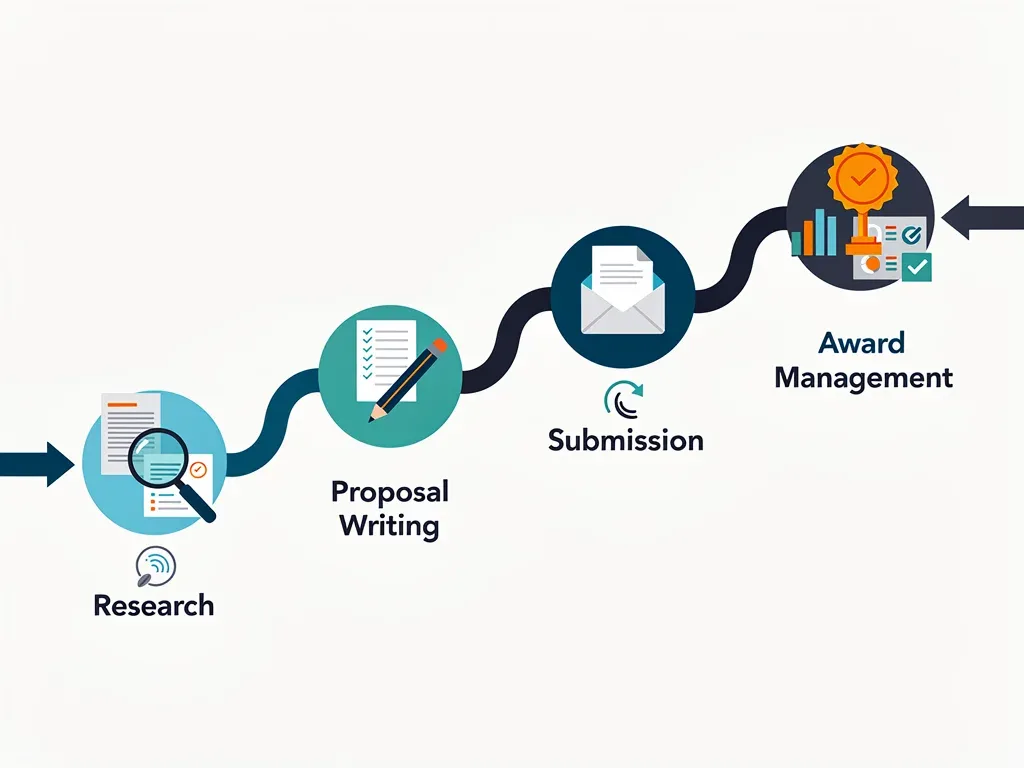
Securing federal grants for higher education in 2026 requires institutions to strategically identify relevant opportunities, meticulously prepare proposals, and align with evolving federal priorities to maximize funding awards effectively.
Unlocking Federal Grants for Higher Education: A 2026 Guide to Maximizing Your Awards is more crucial than ever for institutions striving to innovate, expand access, and enhance educational quality. As the landscape of federal funding evolves, understanding the nuances of grant acquisition can be the difference between groundbreaking initiatives and missed opportunities. This guide provides an in-depth look at navigating the complexities of federal grants, ensuring your institution is well-positioned for success in the coming year.
Understanding the Federal Grant Landscape for 2026
The federal grant landscape for higher education is a dynamic ecosystem, constantly reshaped by national priorities, economic conditions, and legislative changes. For 2026, institutions must be acutely aware of these shifts to effectively target and secure funding. This involves not only identifying available grants but also understanding the underlying rationale and objectives behind them, which often reflect broader governmental goals related to research, workforce development, and equitable access.
Navigating this complex environment requires proactive research and a strategic approach. Institutions that succeed are those that anticipate trends, understand agency-specific requirements, and build strong relationships with federal program officers. The sheer volume of information can be overwhelming, making a structured approach indispensable for any institution aiming to significantly increase its federal funding.
Key Federal Agencies and Their Funding Priorities
Several federal agencies are primary sources of funding for higher education, each with distinct missions and priority areas. Understanding these agencies and their specific calls for proposals is the first step in a successful grant-seeking strategy. Their priorities are often influenced by current national challenges and long-term strategic plans.
- Department of Education (ED): Focuses on improving educational access, equity, and quality across all levels. Programs often target student aid, institutional capacity building, and specific educational research.
- National Science Foundation (NSF): Supports fundamental research and education in all non-medical fields of science and engineering. Emphasizes innovation, STEM workforce development, and interdisciplinary collaboration.
- National Institutes of Health (NIH): The largest biomedical research agency in the world, funding health-related research, training, and infrastructure. Priorities include disease prevention, treatment, and basic biological processes.
- Department of Defense (DoD): Funds research and development relevant to national security, often collaborating with universities on advanced technologies, materials science, and cybersecurity.
- Department of Energy (DOE): Supports scientific discovery and innovation in energy, environment, and national security. Focuses on clean energy, climate science, and advanced computing.
Each agency provides detailed guidelines and application instructions, and potential applicants should thoroughly review these documents. Staying informed about legislative changes, such as new appropriations or reauthorizations of federal programs, is equally important. These legislative actions can open new funding streams or alter existing ones, necessitating a flexible and adaptive grant strategy.
In conclusion, a deep understanding of the federal grant landscape, coupled with a clear grasp of agency-specific priorities, forms the bedrock of a successful grant acquisition strategy for 2026. Institutions must commit to ongoing research and analysis to identify the most promising opportunities.
Strategic Planning and Pre-Application Essentials
Effective grant acquisition is not merely about writing compelling proposals; it begins much earlier with meticulous strategic planning and thorough pre-application groundwork. This foundational phase determines the likelihood of success by ensuring institutional readiness, alignment with funding opportunities, and the development of a robust project concept. Without a solid strategic plan, even the most innovative ideas can fail to secure funding.
Institutions should establish a dedicated team or office responsible for identifying, pursuing, and managing grants. This centralized approach streamlines communication, leverages expertise, and ensures consistency in application quality. A well-coordinated effort across departments and disciplines can significantly enhance an institution’s competitive edge.
Aligning Institutional Goals with Federal Priorities
A critical step in strategic planning is to align your institution’s long-term goals and specific project ideas with the stated priorities of federal funding agencies. This alignment demonstrates that your project addresses national needs and contributes to broader societal benefits, which are key factors in grant decisions. Generic proposals rarely succeed; specificity and relevance are paramount.
- Conduct a comprehensive needs assessment: Identify areas within your institution that require funding and align with federal interests, such as STEM education, diversity initiatives, or research infrastructure.
- Review agency strategic plans: Many federal agencies publish strategic plans outlining their multi-year goals. These documents are invaluable for understanding future funding directions.
- Engage with faculty and researchers: Encourage faculty to develop project ideas that naturally intersect with federal research priorities, fostering a culture of grant seeking.
Early engagement with program officers can also provide invaluable insights. These individuals are often willing to discuss potential project ideas and offer guidance on how to best align a proposal with their agency’s mission. Building these relationships can provide a significant advantage, offering clarity on expectations and increasing the chances of developing a competitive application.
The pre-application phase also includes internal capacity building, such as training faculty and staff in grant writing, budgeting, and compliance. This investment in human capital ensures that when opportunities arise, the institution is ready to respond effectively and efficiently. Strategic planning and pre-application essentials lay the groundwork for a successful pursuit of federal higher education grants in 2026.
Crafting a Winning Grant Proposal for 2026
Once strategic planning is complete and a promising funding opportunity identified, the focus shifts to crafting a compelling grant proposal. A winning proposal is not just about presenting a good idea; it’s about clearly articulating that idea in a way that resonates with reviewers, demonstrates feasibility, and promises significant impact. This requires precision, clarity, and adherence to specific guidelines.
The proposal serves as your institution’s advocate, making a persuasive case for why your project deserves funding over others. It must convey expertise, innovation, and a clear understanding of the problem it aims to address. Even the most brilliant research concept can be overlooked if presented poorly.
Key Components of a Competitive Proposal
Every federal grant proposal will have unique requirements, but several core components are universally critical. Mastering these elements is essential for increasing your chances of securing federal higher education grants. Each section must build upon the last, creating a cohesive and persuasive narrative.
- Executive Summary: A concise overview of the entire proposal, highlighting the project’s significance, objectives, methodology, and expected outcomes. This is often the first, and sometimes only, section reviewers read in detail, so it must be impactful.
- Introduction and Problem Statement: Clearly define the problem your project addresses, its relevance to the funding agency’s mission, and why your institution is uniquely qualified to tackle it. Provide compelling evidence and data to support your claims.
- Project Goals and Objectives: State what your project aims to achieve in specific, measurable, achievable, relevant, and time-bound (SMART) terms. Differentiate between broad goals and specific, actionable objectives.
- Methodology/Work Plan: Detail the specific activities, strategies, and procedures you will use to achieve your objectives. This section must be logical, well-structured, and demonstrate a clear path to success.
- Evaluation Plan: Explain how you will measure the success of your project, including data collection methods, metrics, and how findings will be used to improve the project.
- Budget and Justification: Present a realistic and detailed budget that aligns with your proposed activities. Justify every expense, demonstrating cost-effectiveness and responsible use of federal funds.
Beyond these core components, attention to detail in formatting, grammar, and compliance with all instructions is paramount. A sloppy proposal can undermine even the strongest project idea. Peer review and iterative revisions are crucial steps to refine the proposal, catch errors, and strengthen arguments before submission. The narrative should flow seamlessly, making it easy for reviewers to follow your logic and appreciate the value of your proposed work.
Budgeting and Financial Compliance in Federal Grants
Securing federal grants for higher education is only one part of the equation; effective budgeting and strict financial compliance are equally critical for successful project implementation and future funding opportunities. Mismanagement of funds or non-compliance with federal regulations can lead to severe penalties, including the clawback of funds and disqualification from future grants. Institutions must therefore establish robust financial management systems and protocols.
The budget section of a grant proposal is often scrutinized heavily. It must be realistic, justifiable, and directly linked to the proposed activities. A poorly constructed budget can raise red flags for reviewers, regardless of the strength of the project’s intellectual merit.

Developing a Realistic and Justifiable Budget
Creating a budget that is both comprehensive and convincing requires a deep understanding of project needs and federal cost principles. Every line item should be clearly explained and directly related to achieving the project’s objectives. Transparency and accuracy are key.
- Direct Costs: These are expenses directly attributable to the project, such as salaries of project personnel, equipment, supplies, travel, and consultant fees. Each direct cost must be itemized and justified.
- Indirect Costs (F&A): Also known as Facilities and Administrative costs, these are expenses that are not directly tied to a specific project but are necessary for the overall operation of the institution (e.g., utilities, administrative salaries, maintenance). Federal agencies often have negotiated indirect cost rates with institutions.
- Cost Share/Matching Funds: Some grants require institutions to contribute a portion of the project’s cost from non-federal sources. This demonstrates institutional commitment and can strengthen a proposal.
Beyond initial budget development, institutions must implement rigorous financial tracking and reporting systems. This includes maintaining accurate records of all expenditures, adhering to federal accounting standards, and submitting timely financial reports. Regular internal audits and reviews can help identify and rectify potential issues before they become significant problems. Understanding and applying federal cost principles, such as allowability, allocability, and reasonableness, is fundamental to maintaining compliance.
The importance of robust financial management extends beyond the grant period. A strong track record of compliance and effective fund management builds trust with federal agencies, which can be invaluable when applying for future federal higher education grants. Investing in dedicated grant accounting personnel and training can pay dividends in the long run.
Post-Award Management and Reporting
Receiving a federal grant is a significant achievement, but it marks the beginning of a new phase: post-award management. This critical stage involves diligently overseeing the project’s execution, managing funds, and fulfilling all reporting requirements. Effective post-award management ensures the project stays on track, achieves its objectives, and maintains compliance with federal regulations, paving the way for future funding opportunities.
Without proper management, even well-conceived projects can falter, leading to missed deadlines, budget overruns, or non-compliance issues. Institutions must have robust systems and dedicated personnel in place to handle the complexities of grant administration from start to finish.
Ensuring Compliance and Maximizing Impact
Compliance with federal regulations is non-negotiable. Grantees are responsible for adhering to a myriad of rules related to financial management, project performance, human subjects research, animal welfare, and intellectual property. Ignorance of these rules is not an excuse for non-compliance.
- Regular Reporting: This includes submitting programmatic reports (detailing progress towards objectives) and financial reports (documenting expenditures) on schedule. Accurate and timely reporting is crucial for maintaining good standing with the funding agency.
- Record Keeping: Maintain comprehensive and organized records of all project activities, expenditures, communications, and approvals. These records are essential for audits and reviews.
- Subrecipient Monitoring: If your grant involves subrecipients, you are responsible for monitoring their compliance with federal regulations and the terms of the subaward agreement.
- Closeout Procedures: At the end of the grant period, specific closeout procedures must be followed, including submitting final reports, reconciling financial accounts, and disposing of any acquired equipment according to federal guidelines.
Beyond compliance, effective post-award management focuses on maximizing the project’s impact. This involves continuous monitoring of progress, making necessary adjustments to the work plan, and disseminating findings. Successful projects not only achieve their stated goals but also contribute meaningfully to their field, demonstrating the value of the federal investment. Celebrating milestones and communicating successes internally and externally can also build institutional morale and highlight the importance of securing federal higher education grants.
A proactive approach to post-award management, characterized by meticulous record-keeping, timely reporting, and a commitment to achieving project objectives, is fundamental. It safeguards the institution’s reputation and enhances its attractiveness for future federal funding.
Emerging Trends and Future Opportunities in 2026
The landscape of federal funding for higher education is continuously evolving, influenced by technological advancements, societal shifts, and global challenges. For 2026, several emerging trends are likely to shape funding priorities, offering new avenues for institutions to secure federal grants. Staying ahead of these trends is crucial for developing competitive proposals that align with the future direction of federal investment.
Institutions that can anticipate and adapt to these changes will be best positioned to capitalize on new funding opportunities. This requires ongoing environmental scanning, engagement with policy discussions, and a willingness to innovate in research and educational programming.
Key Areas of Growth and Focus
Several thematic areas are expected to see increased federal attention and funding in 2026. These areas often reflect national strategic imperatives and present significant opportunities for higher education institutions.
- Artificial Intelligence (AI) and Machine Learning: Continued emphasis on research, development, and workforce training in AI, particularly in ethical AI, trustworthy AI systems, and AI applications across various sectors.
- Climate Change and Sustainability: Funding for research into renewable energy, climate resilience, carbon capture technologies, and sustainable practices across disciplines.
- Cybersecurity: Increased investment in cybersecurity research, education, and workforce development to protect critical infrastructure and national data.
- Biotechnology and Advanced Health Research: Beyond traditional medical research, there will be a focus on personalized medicine, gene therapies, public health preparedness, and health equity.
- Workforce Development and Skills Training: Grants supporting programs that address skill gaps in critical industries, promote lifelong learning, and foster diverse talent pipelines, often with a focus on underserved populations.
- Equity and Access in Education: Continued and potentially expanded funding for initiatives that address disparities in educational outcomes, support minority-serving institutions, and enhance access for disadvantaged students.
Furthermore, interdisciplinary research and collaboration are increasingly favored. Proposals that bridge traditional academic silos and involve partnerships with industry, government, or international entities are often seen as more impactful and innovative. Federal agencies are seeking solutions to complex problems that require diverse perspectives and expertise.
Institutions should also pay close attention to funding mechanisms that promote regional innovation ecosystems and public-private partnerships. These collaborative models are becoming more prevalent as federal agencies seek to leverage resources and accelerate the translation of research into tangible societal benefits. Preparing for these future trends is essential for institutions aiming to secure significant federal higher education grants and remain at the forefront of innovation and education.
Building Institutional Capacity for Grant Success
Sustained success in securing federal higher education grants is not accidental; it is the result of deliberate institutional capacity building. This involves creating a supportive environment that encourages and facilitates grant-seeking activities, from initial idea generation to post-award management. A strong institutional infrastructure is just as important as individual faculty expertise in the competitive world of federal funding.
Capacity building encompasses various elements, including human resources, technological tools, and a culture that values and rewards grant activity. Without these foundational supports, even the most ambitious grant goals can prove elusive.
Key Strategies for Enhancing Grant-Seeking Infrastructure
Developing a robust grant-seeking infrastructure requires a multi-faceted approach, integrating various resources and strategies to support faculty and staff throughout the grant lifecycle. This proactive investment yields long-term benefits for the institution.
- Centralized Grant Offices: Establish or strengthen offices of sponsored programs or research administration to provide comprehensive support, including identifying opportunities, proposal development assistance, budget preparation, and compliance oversight.
- Professional Development and Training: Offer regular workshops and training sessions for faculty and staff on grant writing, federal regulations, budget management, and proposal submission platforms. Tailor training to different experience levels.
- Internal Funding Programs: Create small internal grant programs to provide seed funding for faculty to develop preliminary data or pilot projects that can strengthen future federal grant applications.
- Mentorship and Peer Review: Foster a culture of mentorship where experienced grant recipients guide junior faculty. Implement internal peer review processes for proposals before external submission to improve quality.
- Technology and Data Analytics: Utilize grant management software, databases of funding opportunities, and internal data analytics to track grant success rates, identify trends, and allocate resources effectively.
Furthermore, institutional leadership plays a crucial role in championing grant activities. This includes recognizing and rewarding faculty for their grant success, allocating resources to support grant offices, and integrating grant-seeking into overall institutional strategic planning. A visible commitment from leadership signals the importance of external funding and motivates faculty to pursue it vigorously.
By systematically building and nurturing this capacity, institutions can transform their approach to federal grants from reactive to proactive, ensuring a steady stream of funding that supports research, education, and community engagement. This strategic investment is vital for long-term institutional health and impact in 2026 and beyond.
Navigating the Application Process and Common Pitfalls
The application process for federal grants can be daunting, characterized by intricate forms, strict deadlines, and highly specific instructions. Successfully navigating this process requires not only a strong proposal but also meticulous attention to detail and an understanding of common pitfalls that can derail an otherwise excellent application. Even minor errors can lead to a proposal being rejected without review.
Preparation and organization are paramount. Institutions should develop internal checklists and timelines to ensure all requirements are met and deadlines are honored. A last-minute rush often leads to mistakes and increased stress.
Avoiding Common Mistakes and Ensuring Timely Submission
Many promising proposals fail not because of a lack of merit, but due to procedural errors or oversight. Being aware of these common pitfalls can significantly improve an institution’s chances of success in securing federal higher education grants.
- Ignoring Guidelines: Failing to thoroughly read and adhere to all instructions in the Request for Proposals (RFP) or Program Announcement (PA) is a primary reason for rejection. Every detail, from font size to page limits, matters.
- Late Submission: Federal agencies have zero tolerance for late submissions. Technical glitches or last-minute issues can prevent timely submission, so plan to submit well in advance of the deadline.
- Weak Problem Statement: Not clearly articulating the significance of the problem your project addresses or failing to demonstrate its relevance to the funding agency’s mission.
- Unrealistic Budget: Proposing a budget that is either too high or too low for the scope of work, or failing to adequately justify expenses.
- Lack of Institutional Support: Not demonstrating sufficient institutional commitment or resources to support the proposed project, such as matching funds or dedicated staff.
- Poor Writing and Organization: Proposals that are poorly written, disorganized, or contain grammatical errors can be difficult for reviewers to understand and evaluate positively.
To mitigate these risks, institutions should implement a multi-stage review process. This includes internal peer review by colleagues, administrative review by grant office staff for compliance, and a final proofread. Utilizing online submission portals well before the deadline allows time to troubleshoot any technical issues. Furthermore, maintaining open communication with federal program officers, when permitted, can provide clarifications on specific guidelines or expectations.
Ultimately, a successful application process is a testament to an institution’s organizational prowess and commitment to excellence. By proactively addressing potential pitfalls and adhering strictly to guidelines, institutions can significantly enhance their prospects of securing crucial federal funding for their higher education initiatives.
| Key Aspect | Brief Description |
|---|---|
| Strategic Alignment | Align institutional goals with federal agency priorities for greater funding success. |
| Proposal Crafting | Develop clear, concise, and compelling proposals adhering strictly to all guidelines. |
| Financial Compliance | Ensure meticulous budgeting, tracking, and reporting of all grant expenditures. |
| Capacity Building | Invest in grant offices, training, and internal support to foster a culture of grant success. |
Frequently Asked Questions About Federal Higher Education Grants
What are the primary sources of federal grants for higher education in 2026?▼Key sources include the Department of Education, National Science Foundation, National Institutes of Health, Department of Defense, and Department of Energy. Each agency has specific priorities, ranging from student aid and educational research to advanced scientific and technological development. Institutions should research each agency’s funding opportunities thoroughly.
How can institutions best align their projects with federal funding priorities?▼Institutions should conduct needs assessments, review agency strategic plans, and engage with program officers. Aligning projects with national goals like STEM workforce development, climate change research, or educational equity significantly increases a proposal’s competitiveness. Proactive research into federal directives is essential.
What are the most common reasons federal grant proposals are rejected?▼Common reasons for rejection include failure to follow guidelines, late submission, a weak problem statement, an unrealistic budget, and poor writing. Meticulous attention to detail, adherence to instructions, and internal reviews are critical to avoid these pitfalls and enhance proposal quality.
What is the importance of post-award management for federal grants?▼Post-award management is crucial for ensuring compliance with federal regulations, effective fund utilization, and timely reporting. Proper management safeguards the institution’s reputation, facilitates project success, and builds trust with funding agencies, enhancing prospects for future federal higher education grants.
What emerging trends should institutions monitor for 2026 federal grant opportunities?▼Key emerging trends include increased funding for Artificial Intelligence, climate change and sustainability research, cybersecurity, advanced biotechnology, and workforce development. Interdisciplinary approaches and public-private partnerships are also gaining traction, offering new avenues for securing federal higher education grants.
Conclusion
Securing federal higher education grants in 2026 demands a multi-faceted and strategic approach, encompassing thorough planning, meticulous proposal development, stringent financial compliance, and robust post-award management. By understanding the evolving federal funding landscape, aligning institutional priorities with national goals, and investing in internal capacity, institutions can significantly enhance their success rates. The opportunities for impactful research, educational innovation, and community engagement through federal funding are vast, but realizing them requires dedication, foresight, and a commitment to excellence at every stage of the grant lifecycle. Proactive engagement and continuous adaptation will be key for institutions aiming to maximize their awards and contribute meaningfully to the nation’s educational and scientific advancement.