Energy Assistance Programs 2026: Save 15% This Winter
Advertisements
Energy assistance programs 2026 offer crucial financial aid, helping eligible households save up to 15% on their utility bills this winter by providing resources for heating costs and energy efficiency improvements.
As winter approaches, the prospect of rising utility bills can be a source of significant stress for many households across the United States. Fortunately, energy assistance programs 2026 are designed to alleviate this burden, offering vital support to ensure homes remain warm and affordable.
Understanding the Landscape of Energy Assistance in 2026
The year 2026 brings with it a renewed focus on supporting vulnerable populations through comprehensive energy assistance initiatives. These programs are not merely about covering a portion of your utility bill; they represent a multifaceted approach to ensuring energy security, promoting energy efficiency, and fostering long-term financial stability for families and individuals.
Understanding the various programs available and how they operate is the first step toward accessing these crucial benefits. Federal, state, and local entities, alongside non-profit organizations and utility companies, collaborate to create a robust safety net designed to help those most in need. Navigating this landscape requires a clear understanding of eligibility criteria, application windows, and the specific types of aid offered.
Federal Initiatives: LIHEAP and Beyond
At the heart of federal energy assistance is the Low Income Home Energy Assistance Program (LIHEAP). This program provides critical funds to states to help low-income households with their heating and cooling costs. While LIHEAP is a federal program, its implementation and specific benefits vary by state, making local knowledge essential.
- Heating Assistance: Helps cover the costs associated with keeping your home warm during cold months.
- Cooling Assistance: Provides aid for air conditioning during hot summer periods, though this is less prevalent in winter-focused discussions.
- Crisis Assistance: Offers immediate help to households facing energy emergencies, such as disconnection notices.
- Weatherization and Energy-Related Home Repairs: Supports improvements that make homes more energy-efficient, reducing future energy consumption.
Beyond LIHEAP, other federal programs and initiatives may indirectly contribute to energy affordability by promoting housing stability or offering general financial aid that can be allocated to utility costs. Staying informed about these broader programs can open up additional avenues of support.
The landscape of energy assistance is dynamic, with potential legislative changes and funding adjustments occurring annually. For 2026, there is an emphasis on streamlining application processes and increasing outreach to ensure that eligible households are aware of and can easily access the aid they need. This proactive approach aims to maximize the impact of these programs, particularly as energy costs continue to fluctuate.
In conclusion, the foundation of energy assistance in 2026 is built on a combination of federal mandates and localized efforts. Familiarizing yourself with LIHEAP and its state-specific implementations is paramount, as is recognizing the broader ecosystem of support designed to help manage utility expenses.
Eligibility and Application: Navigating the Process for 2026
Determining eligibility and successfully navigating the application process are critical steps for anyone seeking assistance from energy assistance programs 2026. While specific requirements can vary, there are common threads that run through most programs, primarily focusing on income levels, household size, and specific vulnerabilities. Preparation and attention to detail are key to a smooth application.
Most energy assistance programs target low-income households. The primary benchmark for eligibility is often a percentage of the federal poverty level or the state’s median income. These thresholds are updated annually, so it’s crucial to check the most current guidelines for your specific program and location. Beyond income, other factors like household composition, the presence of elderly individuals, young children, or individuals with disabilities often grant priority or additional benefits.
Key Documentation Required for Application
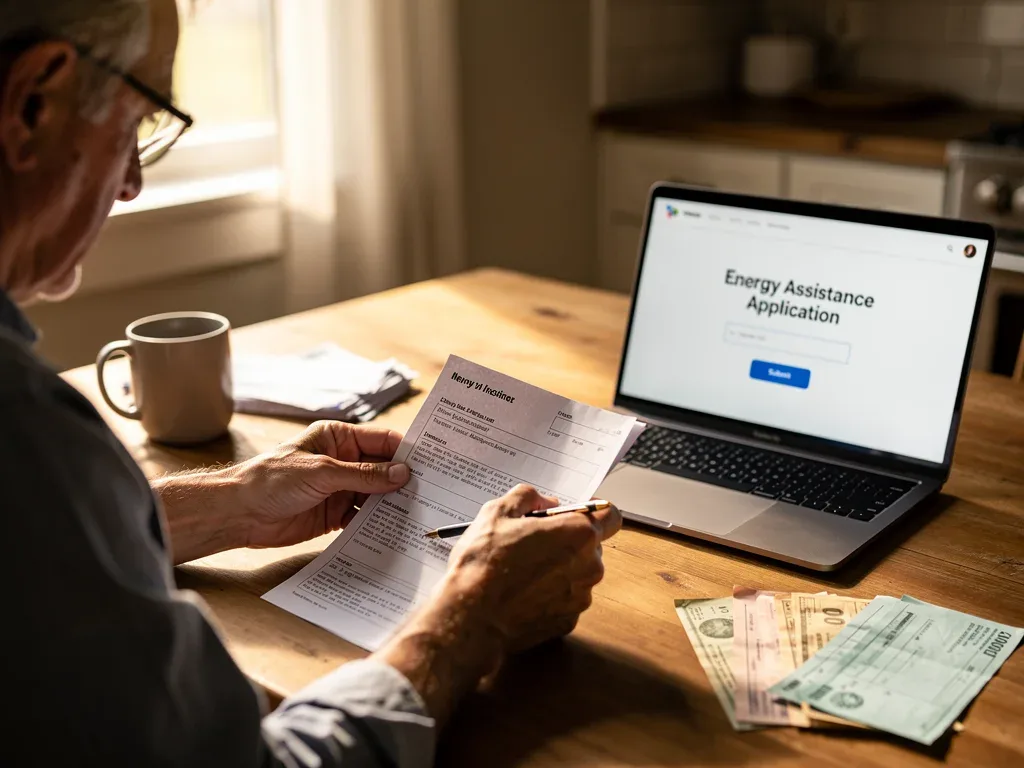
When applying for energy assistance, you’ll typically need to provide a range of documents to verify your eligibility. Gathering these in advance can significantly speed up the process.
- Proof of Income: This includes pay stubs, Social Security benefit letters, unemployment statements, or tax returns for all adult household members.
- Proof of Residency: A utility bill, lease agreement, or other official document showing your current address.
- Utility Bill Information: Recent copies of your heating and electricity bills, including account numbers.
- Identification: Photo ID for the primary applicant and possibly birth certificates or Social Security cards for all household members.
- Household Composition: Documentation verifying the number of people living in your home and their relationship to you.
Some programs may also require documentation related to medical conditions that necessitate higher energy consumption, or proof of crisis situations like a recent job loss or unexpected expense. Always check the specific requirements of the program you are applying to, as these can differ.
The application process itself can be done online, by mail, or in person at designated local agencies. Many states and utility companies offer online portals that streamline the submission of documents and tracking of application status. It’s advisable to apply as soon as possible once application periods open, as funds are often limited and distributed on a first-come, first-served basis. Don’t hesitate to reach out to local agencies for assistance with filling out forms or understanding complex requirements; they are there to help.
In summary, successful access to energy assistance in 2026 hinges on understanding the eligibility criteria and meticulously preparing all necessary documentation. Being proactive and seeking help when needed will ensure you can navigate the process effectively and secure the support you qualify for.
State-Specific Programs and Local Initiatives in 2026
While federal programs like LIHEAP provide a foundational layer of support, many states and local communities enhance these efforts with their own energy assistance programs 2026. These localized initiatives often fill gaps, provide additional funding, or address unique regional challenges, making them invaluable resources for residents. Understanding these specific programs is crucial for maximizing potential savings.
State-level programs frequently complement LIHEAP by offering additional financial aid, energy efficiency upgrades, or specialized services not covered by federal funding alone. For instance, some states might have programs specifically for seniors, individuals with chronic illnesses requiring climate control, or residents in areas prone to extreme weather events. These programs are typically funded through state budgets, utility surcharges, or a combination thereof, reflecting a commitment to ensuring energy affordability for all citizens.
Utility Company Programs and Non-Profit Support
Beyond government initiatives, many utility companies operate their own assistance programs. These can range from bill payment assistance to flexible payment plans, and even energy efficiency upgrade programs. It’s always a good idea to contact your local utility provider directly to inquire about any programs they offer, as these are often underutilized simply because customers aren’t aware of them.
- Arrearage Management Programs: Designed to help customers pay off past-due balances over time.
- Discounted Rates: Special rates or discounts for low-income customers.
- Energy Audit and Weatherization Services: Free or low-cost home energy audits and upgrades to reduce consumption.
- Budget Billing: A plan that averages your annual energy costs into consistent monthly payments, smoothing out seasonal peaks.
Non-profit organizations also play a significant role in the energy assistance landscape. Local community action agencies, faith-based organizations, and other charitable groups often provide emergency financial aid, help with navigating application processes, or offer direct services like distributing blankets or portable heaters. These organizations are often deeply embedded in the community and can provide personalized support.
The key to accessing these varied programs is diligent research and proactive outreach. Many state and local government websites maintain comprehensive lists of available resources, and community centers can often point you in the right direction. Don’t underestimate the power of a simple phone call to your utility company or a visit to a local community action agency; these efforts can unlock significant savings and support.
In conclusion, the patchwork of state-specific and local initiatives, coupled with utility company and non-profit programs, forms a critical layer of energy assistance. These efforts ensure that aid is tailored to regional needs and that a broader spectrum of households can receive the support necessary to manage their energy costs effectively.
Maximizing Your Savings: Beyond Direct Assistance
While direct financial aid from energy assistance programs 2026 is invaluable, maximizing your savings extends beyond simply receiving a subsidy. A holistic approach that combines assistance with proactive energy efficiency measures and smart consumption habits can lead to even greater reductions in your utility bills, potentially saving you more than the initial 15% target.
One of the most impactful ways to reduce energy consumption is through weatherization. Many energy assistance programs, including LIHEAP, offer components that fund insulation upgrades, weatherstripping, window sealing, and other improvements that prevent heat loss in winter and heat gain in summer. These upgrades not only lower your bills but also enhance the comfort and air quality of your home. Taking advantage of these services, if eligible, is a long-term investment in energy savings.
Smart Energy Habits for a Warmer Winter
Even without major home renovations, adopting smart energy habits can significantly impact your utility usage. Small changes in daily routines can add up to substantial savings over the winter months.
- Thermostat Management: Set your thermostat to the lowest comfortable temperature (e.g., 68°F during the day, lower at night or when away). A smart thermostat can automate this for optimal efficiency.
- Draft Sealing: Use caulk or weatherstripping to seal leaks around windows and doors.
- Window Treatments: Open curtains and blinds during sunny days to let in natural heat, and close them at night to retain warmth.
- Appliance Use: Use energy-intensive appliances like dishwashers and washing machines during off-peak hours if your utility offers time-of-use rates.
- Regular Maintenance: Ensure your heating system is regularly serviced to operate efficiently. Clean or replace furnace filters monthly.
Beyond these habits, consider investing in energy-efficient appliances when it’s time for replacements. Look for the Energy Star label, which indicates products that meet strict energy efficiency guidelines set by the EPA. While the initial cost might be higher, the long-term savings on your utility bills can quickly offset the difference.
Furthermore, many utility companies provide free or low-cost home energy audits. These audits can pinpoint specific areas where your home is losing energy and recommend tailored solutions. Taking advantage of these expert assessments can uncover hidden opportunities for savings that you might not have considered.
In conclusion, maximizing your savings involves a multi-pronged approach: leveraging direct financial assistance, making your home more energy-efficient through weatherization and upgrades, and adopting mindful energy consumption habits. This comprehensive strategy ensures not only immediate relief but also sustainable reductions in your energy expenditures.
Future Outlook: Innovations and Challenges for 2026
The landscape of energy assistance programs 2026 is continually evolving, driven by technological advancements, climate considerations, and shifting economic conditions. The future outlook involves both exciting innovations aimed at enhancing aid delivery and persistent challenges that require ongoing attention and adaptive strategies. Understanding these trends can help shape expectations and inform advocacy efforts.
One significant innovation is the increasing integration of smart home technology with energy assistance initiatives. Programs are exploring ways to provide eligible households with smart thermostats, energy monitoring devices, and even smart appliance rebates. These technologies empower residents to better understand and manage their energy consumption, leading to more sustainable savings and reduced reliance on direct aid over time. Data analytics also plays a growing role, helping program administrators identify at-risk populations more efficiently and tailor interventions.
Addressing Climate Change and Energy Resilience
Climate change is undeniably influencing the focus of energy assistance. As extreme weather events become more frequent and intense, there’s a growing emphasis on energy resilience. This includes funding for backup power solutions, community-level microgrids, and home retrofits that can withstand severe weather. Programs are also increasingly promoting renewable energy adoption among low-income households, such as solar panel installations, which can significantly reduce or even eliminate utility bills in the long run.
- Renewable Energy Integration: Support for solar panels and other clean energy sources for eligible homes.
- Resilience Upgrades: Funding for improvements that help homes cope with power outages and extreme weather.
- Decarbonization Efforts: Programs aligning with broader goals to reduce carbon emissions from residential energy use.
However, challenges persist. Funding for energy assistance programs can be volatile, subject to political priorities and economic fluctuations. Rising energy costs, driven by global events and supply chain issues, continue to strain household budgets, making the need for assistance even more acute. Furthermore, reaching all eligible households remains a hurdle, particularly those in remote areas or with limited access to information and technology. Bureaucratic complexities in application processes can also deter some individuals from applying.
Efforts in 2026 are likely to focus on improving outreach strategies, simplifying application forms, and enhancing inter-agency cooperation to create a more seamless support system. There’s also a push for more data-driven policy-making to ensure that funds are allocated most effectively to address the greatest needs. The goal is to create a more equitable and sustainable energy future for all.
In conclusion, the future of energy assistance in 2026 is characterized by a blend of promising technological integration and a continued struggle against funding limitations and accessibility barriers. Adaptability and a commitment to innovation will be key to ensuring these programs remain effective in supporting vulnerable populations.
The Economic and Social Impact of Energy Assistance
The impact of energy assistance programs 2026 extends far beyond simply lowering utility bills; these initiatives play a crucial role in the broader economic stability and social well-being of communities. By preventing energy crises, they foster a healthier, more productive populace and contribute to a more equitable society. The ripple effects of energy aid are felt throughout various aspects of daily life.
Economically, energy assistance helps prevent a cascade of negative financial consequences for low-income households. Without this support, families might face difficult choices between paying for utilities, food, medicine, or rent. Disconnection notices and subsequent reconnection fees can plunge households further into debt. By mitigating these immediate financial pressures, energy assistance allows families to allocate resources to other essential needs, supporting local economies through consumer spending and reducing the burden on emergency services.
Improving Health and Educational Outcomes
The social benefits of energy assistance are equally profound. A warm home in winter or a cool home in summer is not just a matter of comfort; it’s a matter of health and safety. Extreme temperatures can exacerbate chronic health conditions, particularly among the elderly, young children, and individuals with disabilities. By ensuring a stable home environment, these programs directly contribute to better health outcomes, reducing hospital visits and related healthcare costs.
- Reduced Health Risks: Prevents cold-related illnesses like hypothermia and respiratory problems.
- Improved Educational Performance: Children can study in a comfortable environment, leading to better concentration and academic success.
- Enhanced Mental Well-being: Reduces stress and anxiety associated with energy insecurity, promoting overall mental health.
- Greater Housing Stability: Helps prevent evictions and homelessness caused by inability to pay utility bills.
Furthermore, energy assistance programs contribute to educational attainment. Children living in homes with stable temperatures are better able to focus on their studies, complete homework, and attend school regularly without illness. This creates a foundation for academic success and future opportunities, breaking cycles of poverty.
Beyond individual households, the stability provided by energy assistance benefits communities as a whole. It reduces the strain on social service agencies, shelters, and emergency responders who would otherwise be overwhelmed by energy-related crises. It fosters a sense of community resilience, ensuring that even the most vulnerable members are cared for during challenging times. These programs are an investment in human capital and community strength.
In conclusion, energy assistance programs are vital tools for economic empowerment and social equity. Their ability to stabilize household finances, improve health and educational outcomes, and strengthen community resilience underscores their indispensable role in fostering a thriving society. The benefits extend far beyond the direct financial aid provided.
Preparing for Winter 2026: A Proactive Approach
As we look towards winter 2026, taking a proactive approach to managing your energy needs is the most effective strategy. Waiting until a crisis hits can limit your options and increase stress. Early preparation, including understanding available energy assistance programs 2026, can make a significant difference in ensuring a comfortable and affordable heating season.
One of the first steps in proactive preparation is to assess your current energy consumption. Review past utility bills to identify trends and peak usage periods. This information can help you pinpoint areas where you might be able to reduce consumption. Many utility companies offer online tools that provide detailed breakdowns of your energy use, comparing it to similar homes in your area.
Developing a Winter Energy Budget
Creating a dedicated winter energy budget is another crucial step. Estimate your heating costs based on previous years’ bills and anticipated energy price changes. Factor in any potential assistance you might receive from programs. Having a clear budget allows you to plan financially and avoid unexpected shortfalls when bills inevitably rise during colder months.
- Review Past Bills: Analyze historical data to predict future usage and costs.
- Research Current Rates: Stay informed about changes in utility rates and potential rate hikes.
- Allocate Funds: Set aside money specifically for energy expenses each month.
- Explore Budget Billing: Consider enrolling in your utility company’s budget billing plan to stabilize monthly payments.
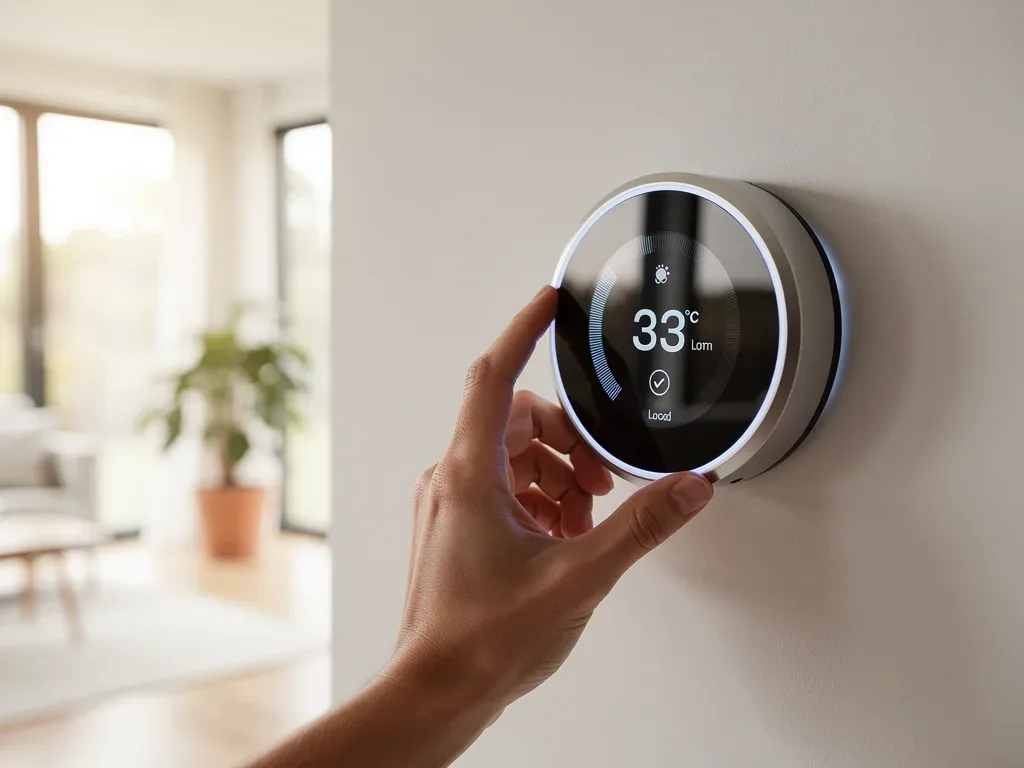
Beyond financial planning, physically preparing your home for winter is essential. This includes tasks like checking and sealing drafts, ensuring your furnace is serviced and filters are clean, and insulating pipes to prevent freezing. Simple DIY weatherization projects can often be completed with minimal cost and effort, yielding noticeable savings.
Furthermore, stay informed about the opening dates for energy assistance program applications in your state and local area. These dates can vary, and applying early increases your chances of receiving aid before funds are depleted. Sign up for newsletters from local community action agencies or utility companies to receive timely updates.
Finally, build a support network. Know who to contact in case of an energy emergency, whether it’s your utility company, a local assistance agency, or a trusted friend or family member. Having a plan and resources in place provides peace of mind and ensures you’re not caught unprepared when winter weather arrives.
In conclusion, a proactive approach to winter 2026 involves thorough financial planning, home preparation, and staying informed about available energy assistance. By taking these steps early, you can significantly reduce the stress and financial burden of heating your home, ensuring a warm and secure season.
| Key Program Aspect | Brief Description |
|---|---|
| Eligibility Criteria | Primarily based on household income relative to federal poverty levels or state median income, with considerations for household size and vulnerabilities. |
| Application Process | Requires documentation for income, residency, and utility bills; applications often available online, by mail, or in person at local agencies. |
| Types of Assistance | Includes direct bill payment aid, crisis assistance, weatherization services, and energy efficiency upgrades. |
| Maximizing Savings | Combine direct aid with energy-efficient habits, home weatherization, and smart thermostat use for greater long-term reductions. |
Frequently Asked Questions About Energy Assistance Programs 2026
What are energy assistance programs 2026?▼Energy assistance programs 2026 are government-funded and privately supported initiatives designed to help low-income households pay for their heating and cooling costs. They aim to prevent utility shut-offs, provide crisis assistance, and promote energy efficiency to ensure comfortable and affordable living conditions, especially during extreme weather.
Who is eligible for energy assistance in 2026?▼Eligibility for energy assistance programs in 2026 typically depends on your household income relative to the federal poverty level or state median income. Factors like household size, the presence of elderly members, young children, or individuals with disabilities often influence qualification and priority for aid. Specific criteria vary by state and program.
How can I apply for energy assistance programs?▼You can apply for energy assistance programs through your state’s LIHEAP office, local community action agencies, or directly with your utility company. Applications often require proof of income, residency, and recent utility bills. Many programs offer online applications, mail-in options, or in-person assistance to guide you through the process.
What types of aid do these programs offer?▼Energy assistance programs offer various forms of aid, including direct financial payments towards utility bills, emergency crisis assistance to prevent disconnections, and weatherization services to improve home energy efficiency. Some programs also provide support for energy-related home repairs or offer discounted rates for eligible customers.
Can I get help with energy efficiency upgrades?▼Yes, many energy assistance programs, including components of LIHEAP and various state or utility-sponsored initiatives, offer assistance with energy efficiency upgrades. These can include home energy audits, insulation improvements, weatherstripping, and even smart thermostat installations, all aimed at reducing your long-term energy consumption and costs.
Conclusion
Navigating the complexities of utility costs, especially during the challenging winter months, can be a daunting task for many households. However, as we’ve explored, energy assistance programs 2026 offer a robust and multifaceted safety net designed to alleviate this burden. From federal initiatives like LIHEAP to state-specific programs, local non-profits, and utility company offerings, a wealth of resources exists to help eligible individuals and families maintain warm, safe, and affordable homes.
The key to accessing these benefits lies in proactive engagement: understanding eligibility requirements, meticulously preparing application documents, and applying early. Beyond direct financial aid, embracing energy efficiency measures and adopting smart consumption habits can further amplify savings, creating a more sustainable approach to managing household energy needs. The impact of these programs extends beyond individual savings, contributing significantly to community well-being, health, and economic stability.
As winter 2026 approaches, remember that help is available. By leveraging the comprehensive support offered by energy assistance programs and combining it with mindful energy practices, you can confidently face the colder months, ensuring comfort and peace of mind for your household. The journey to saving up to 15% or more on your utility bills this winter begins with informed action and utilizing the resources designed to empower you.